



An in-depth look at the latest acoustic engineering, limited-edition color drops, and technical specifications across the updated Bose speaker lineup.
Consumer audio engineering has reached a fresh milestone as Bose rolls out its comprehensive hardware refresh, emphasizing cutting-edge acoustics and expanded connectivity across the entire Bose speaker lineup. Designed to meet the demands of modern listeners who shift effortlessly between intimate indoor listening and rugged outdoor environments, the updated catalog integrates advanced driver architectures with sleek, contemporary industrial design.
Evolution of Portable Acoustics
The marketplace for mobile audio has experienced rapid shifts, pushing manufacturers to balance sheer power with true portability. Within the latest collection, engineering teams have focused heavily on maximizing battery performance while minimizing physical weight. For instance, heavy-duty flagships like the SoundLink Max deliver up to 20 hours of continuous playback, incorporating robust IP67 dust and water resistance alongside built-in charging out capabilities.
Conversely, ultra-portable variants such as the SoundLink Micro (2nd Gen) target active consumers who require lightweight durability. Weighing a fraction of larger units, these compact devices maintain rigorous waterproof ratings without sacrificing the tonal clarity expected from high-end audio engineering. Prioritize your use case: choosing the right form factor depends heavily on whether you need a pocket-sized companion for outdoor hikes or a high-output system for group gatherings.
Limited-Edition Color Collections and Aesthetics
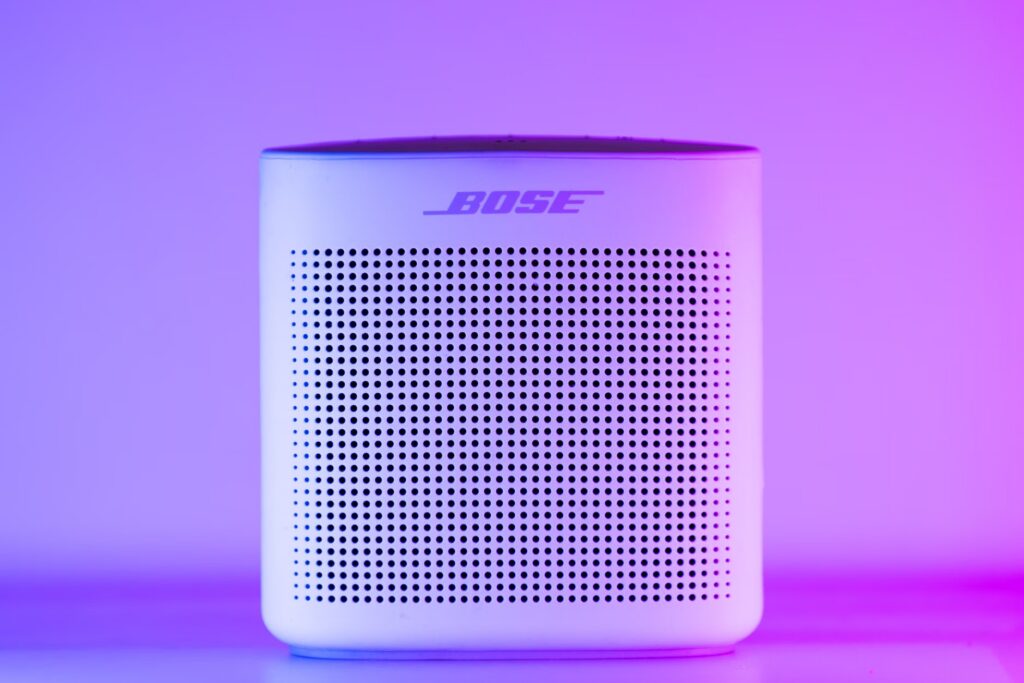
Beyond internal acoustic engineering, aesthetic personalization has become a major focal point for hardware brands. The latest product rollout introduces striking visual variations, including limited-edition color drops such as Rosewood Mauve, Dewdrop Mint, and Sunset Peach. These curated colorways allow hardware to blend seamlessly into interior home decor while offering distinctive styling for outdoor settings.
Industrial designers have also refined the structural handles and utility loops across the series. The SoundLink Flex (2nd Gen) features an upgraded nylon utility loop, while larger units utilize removable rope handles and rugged utility straps. This attention to tactile detail ensures that hardware remains secure and comfortable during transit, regardless of environmental challenges.
Technical Specifications and Connectivity Standards
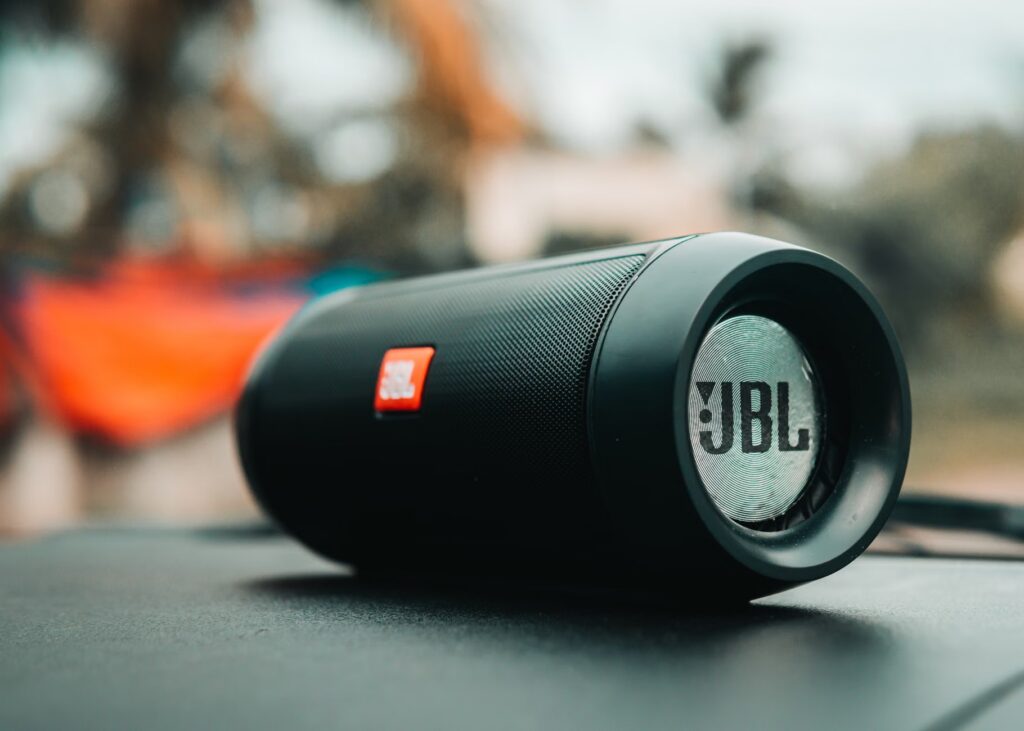
Modern audio gear relies heavily on seamless digital integration and robust wireless protocols. The updated catalog highlights diverse connectivity features, ranging from standard Bluetooth pairing to advanced Wi-Fi integration found in units like the Bose Portable Smart Speaker, which delivers 360-degree sound and built-in voice assistant capabilities.
Reviewing comparative hardware reveals distinct tiers of performance across the lineup:
SoundLink Max: Features Bluetooth connectivity, stereo pairing, aux input, 20-hour battery life, and a robust IP67 water and dust resistance rating at 4.7 lbs. SoundLink Flex (2nd Gen): Offers Bluetooth connectivity, microphone support, stereo pairing, a 12-hour battery life, and an IP67 rating at 1.3 lbs. Bose S1 Pro+: Engineered for larger crowds up to 50 people, delivering 11 hours of battery life with an auxiliary input and a weight of 14.4 lbs.
Listeners seeking deeper insights into audio gear can explore related technical analyses, such as the review on Home Speakers and Subwoofers: Inside Canada’s Audio Shelf, which examines broader market trends in home entertainment hardware.
Strategic Integration into Home and Professional Spaces
The versatility of modern acoustic hardware extends beyond casual consumer enjoyment into professional and semi-professional domains. Systems like the S1 Pro+ bridge the gap between portable Bluetooth convenience and professional-grade public address capabilities, making them valuable tools for mobile presenters, musicians, and event organizers.
Furthermore, architectural audio solutions such as the Virtually Invisible in-ceiling series demonstrate how high-end sound can be integrated directly into residential and commercial construction without disrupting interior design. As consumers continue to demand uncompromised audio fidelity across every square foot of their living and working environments, manufacturers face the ongoing challenge of merging invisible installation methods with powerful driver performance.
Navigating the Consumer Choice Landscape
Selecting the ideal audio system requires balancing physical dimensions, environmental resilience, and acoustic output. Buyers evaluating these systems should consider factors such as group size coverage, frequency response, and physical durability. Whether outfitting a permanent home theater setup or searching for a weather-resistant companion for outdoor excursions, understanding these technical distinctions ensures a satisfying long-term investment in sound quality.