


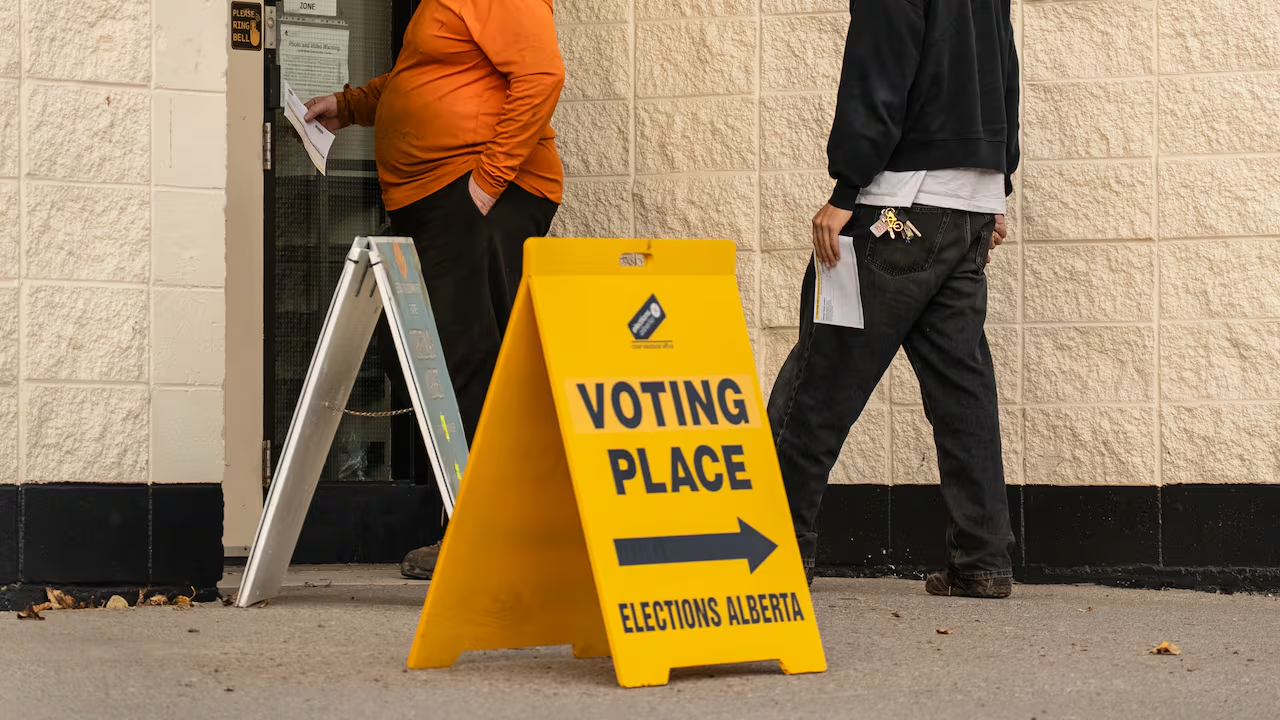
The final count confirms a decisive vote to stay in Canada, narrow wins on immigration, defeats on constitutional change, and a counting process Elections Alberta now plans to review.
The Alberta referendum official results, released on Thursday, October 29, 2026, confirm that the question of whether to pursue separation from Canada drew more voters than the province’s last general election. Ten days after Albertans went to the polls on October 19, the final tally shows more than 2.2 million ballots cast on the separation question, a turnout of 70.4 per cent.
That figure sits nearly 10 percentage points above turnout in the 2023 provincial election. The certified numbers also lock in the broad picture that emerged from the unofficial count: a firm rejection of a second, binding separation vote, slim approval of five immigration questions, and defeat for all four proposed constitutional changes.
For readers who followed the earlier reporting, our coverage of how Alberta voters turned down secession and kept the province in Canada laid out the initial outcome. The official count now settles the margins and raises fresh questions about mandate, process and what comes next for Premier Danielle Smith’s government.
Separation Question Drew 2.2 Million Ballots and a 70.4 Per Cent Turnout
On the headline question, Albertans were decisive. Asked whether the province should hold a second, binding referendum on separation, 74.9 per cent voted against it. In practical terms, voters chose the option to remain in Canada over the option to explore leaving.
The participation level is as notable as the result. A 70.4 per cent turnout on a single ballot question outpaced the 2023 general election by close to 10 points, suggesting the separation issue mobilized voters who might otherwise have stayed home.
The official figures differ by less than one percentage point from the unofficial results that had been available since Sunday, October 25. That small variance means none of the outcomes changed between the preliminary and final counts.
Alberta Referendum Official Results at a Glance
Voters faced 10 questions in total and could decide which ones they wanted to answer. Across all 10, 22.1 million votes were recorded, a figure that includes declined and rejected ballots. Turnout on every question landed at roughly 70 per cent.
| Question group | Number of questions | Outcome | Result |
|---|---|---|---|
| Second, binding referendum on separation | 1 | Rejected | 74.9 per cent against |
| Immigration questions | 5 | Passed narrowly | 51.7 to 58 per cent in favour |
| Constitutional reform questions | 4 | Rejected | 42.4 to 47.2 per cent in favour |
| All questions combined | 10 | Not applicable | 22.1 million votes cast; turnout about 70 per cent on each |
Separation-specific breakdowns by riding, and the exact wording of each of the nine other questions, were not detailed in the official results summary covered here.
Proof-of-Citizenship Question Outdrew the Separation Vote
One of the more surprising findings is that the separation question did not attract the most participation. That distinction went to Question 5, which asked whether proof of citizenship should be required to vote in provincial elections.
Nearly 600 more people completed a ballot on Question 5 than on the separation question. The gap is small relative to more than 2.2 million ballots, but it shows that voters engaged with the lower-profile questions rather than casting a single vote on separation and leaving.

Lori Williams, a political scientist at Mount Royal University in Calgary, said she had expected a wider gap between participation on separation and on the other nine questions. Instead, she noted, the people who made the effort to vote, whether by mail, at advance polls or on referendum day, almost all worked through the full ballot despite the complexity of the questions.
Immigration Wins Between 51.7 and 58 Per Cent: A Thin Mandate for Danielle Smith
High participation did not translate into commanding majorities. The five immigration questions passed with support ranging from 51.7 to 58 per cent, results that leave a sizable share of Albertans on the other side of each question.
Williams described those margins as “not a really strong mandate” for Premier Danielle Smith. In her assessment, the results did not give the provincial government the authority to press its case against Ottawa in the way it had hoped.
That distinction matters for how the government can use the outcome. A narrow win is still a win at the ballot box, but it is a weaker lever in negotiations or public debate than a lopsided result would have been.
- Lowest immigration result: 51.7 per cent in favour.
- Highest immigration result: 58 per cent in favour.
- Expert read: passing, but short of a clear mandate to confront the federal government.
Four Constitutional Questions Fell Short of Provincial Expectations
The four constitutional reform questions all failed, with support ranging from 42.4 to 47.2 per cent. None came within three percentage points of a majority.
According to Williams, internal polling and focus groups had led the province to anticipate a much stronger showing on these questions. The gap between expectation and outcome, she said, should serve as “a bit of a cautionary note” and could leave the government more hesitant to call another referendum in the future.
The defeats have not ended every policy thread connected to the ballot. Related reporting indicates Alberta is still pursuing its own dental and drug plans despite the referendum loss on opting out of federal programs. Analysis has also pointed to Edmonton and Calgary rejecting the referendum package, prompting questions about whether the premier faces a particular challenge with urban voters.
Five Days of Hand Counting and a Missed 48-Hour Deadline
The road to the Alberta referendum official results was slower than the law anticipated. Every ballot was counted by hand, a process that took about five days. Unofficial results were finalized well past the 48-hour deadline set in Alberta’s referendum legislation.
Elections Alberta said that, to its knowledge, the referendum involved the largest number of ballots to be hand-counted in any Canadian electoral event. With 10 questions and more than 22 million votes recorded, the scale of the task was considerable.
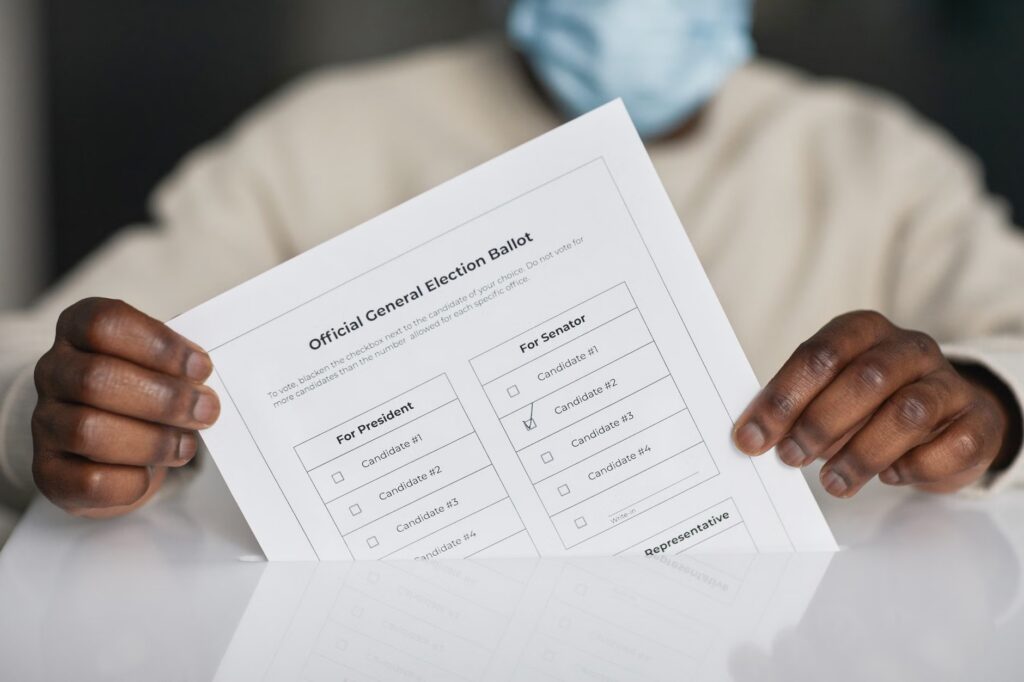
The process also drew criticism beyond its pace. A First Nation chief has sought a formal explanation after ballot shortages were reported during the vote. The specific reasons the province relied on hand counts rather than tabulators were not set out in the official results release.
Elections Alberta Promises Reviews and Debriefs Over the Coming Months
A spokesperson for Elections Alberta said the agency is not yet prepared to discuss lessons learned from what was a turbulent process. Instead, the agency plans to carry out reviews, debriefs, data analysis and data entry over the next several months.
No date has been given for when the findings of that review will be made public. Until then, key questions remain open, including how the 48-hour deadline came to be missed and how ballot supply problems arose.
For voters, the review is likely to shape how much confidence Albertans place in any future provincial referendum, particularly one involving multiple questions on a single ballot.
Why a 70 Per Cent Referendum Turnout Matters Beyond Alberta
General context: Province-wide referendums are relatively rare in Canada, and questions touching on separation carry national weight. The best-known precedents are Quebec’s sovereignty referendums in 1980 and 1995, and the federal Clarity Act, passed in 2000, sets out the expectation of a clear question and a clear majority before any secession negotiations could be contemplated.
Against that backdrop, Alberta’s result sends a clear signal. Roughly three in four participating voters rejected even taking the next step toward a binding separation vote, on a turnout higher than the province’s last general election.
For businesses and investors watching the province, the outcome reduces near-term uncertainty about Alberta’s place in Canada. At the same time, the narrow immigration results and failed constitutional questions point to an electorate that is divided on how far the province should go in reshaping its relationship with Ottawa.
- Separation: clear rejection on high turnout.
- Immigration: passed, but by margins one expert calls a weak mandate.
- Constitution: all four questions defeated, below the province’s own expectations.
- Process: a slow hand count now under review by Elections Alberta.
Taken together, the final numbers give Premier Smith a mixed result: a firm answer on Alberta’s future in Canada, limited backing on immigration, and a reminder that referendum outcomes can diverge sharply from internal polling.


