Extreme weather events are part of Canadian life. Here is what ‘extreme’ actually means and why the word matters for forecasts, business and planning.
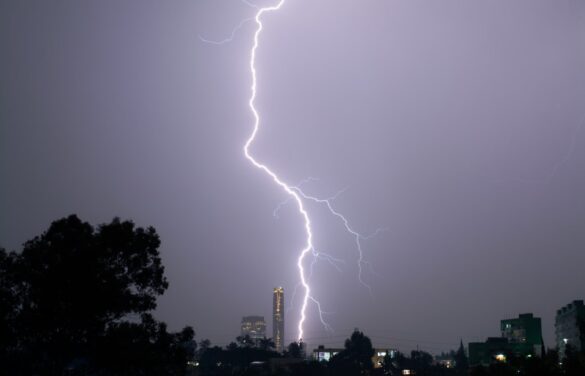

Extreme weather events are part of Canadian life. Here is what ‘extreme’ actually means and why the word matters for forecasts, business and planning.

Extreme weather events in Canada are reshaping operational planning. Here is how warnings work, where costs land, and what is not yet confirmed.

The Weather Network’s El Niño fall outlook projects a milder, drier September to November across Canada and a late start to consistent winter weather.
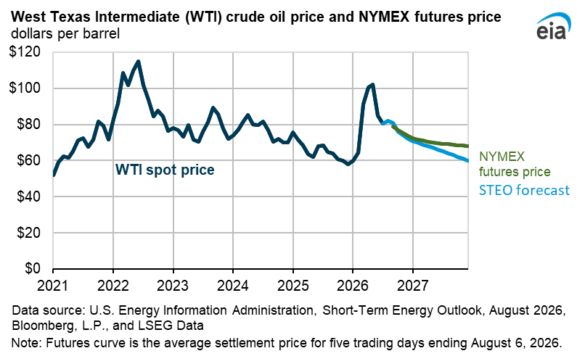
U.S. solar generation rose 21 percent and wind generation rose 6 percent in the first half of 2026, according to the Energy Information Administration’s Short-Term Energy Outlook published August 11, 2026. Forecasters expect renewable capacity additions to continue through 2027, with the next monthly update due September 9, 2026.
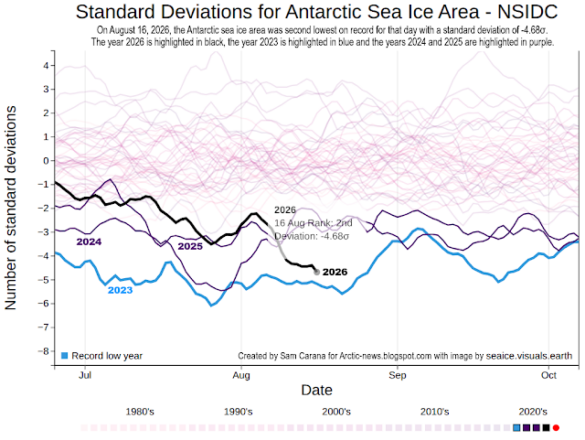
Antarctic sea ice reaches critical lows as global ocean temperatures hit record highs in August 2026. Scientists have identified eight mechanisms driving polar ice loss, from ocean heat transport to atmospheric river intrusions.
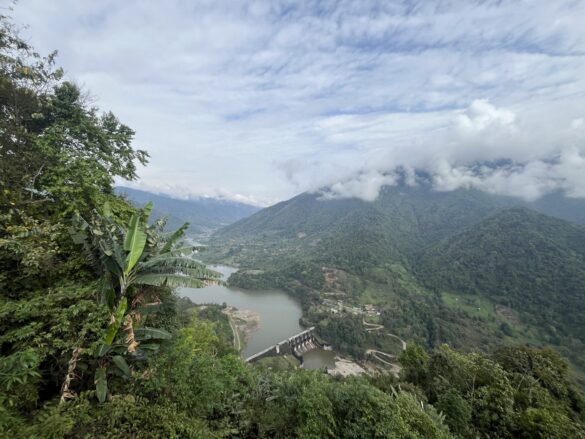
Pacific island nations have launched a regional climate finance fund, with a first call for proposals opening next week, in a bid to move adaptation money directly to local communities and bypass slow multilateral approval processes.
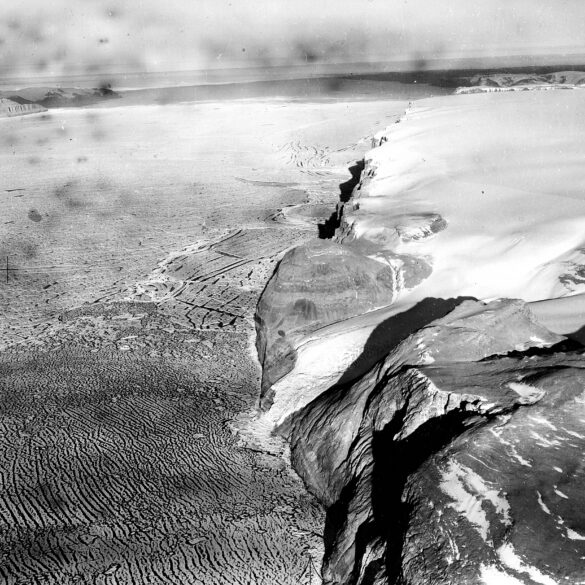
A 76-square-kilometre ice island separated from Greenland’s Petermann Glacier on August 4, 2026. Satellite imagery captured the cracks widening beforehand, giving researchers an unusually detailed record of how a large Arctic calving event unfolds.