


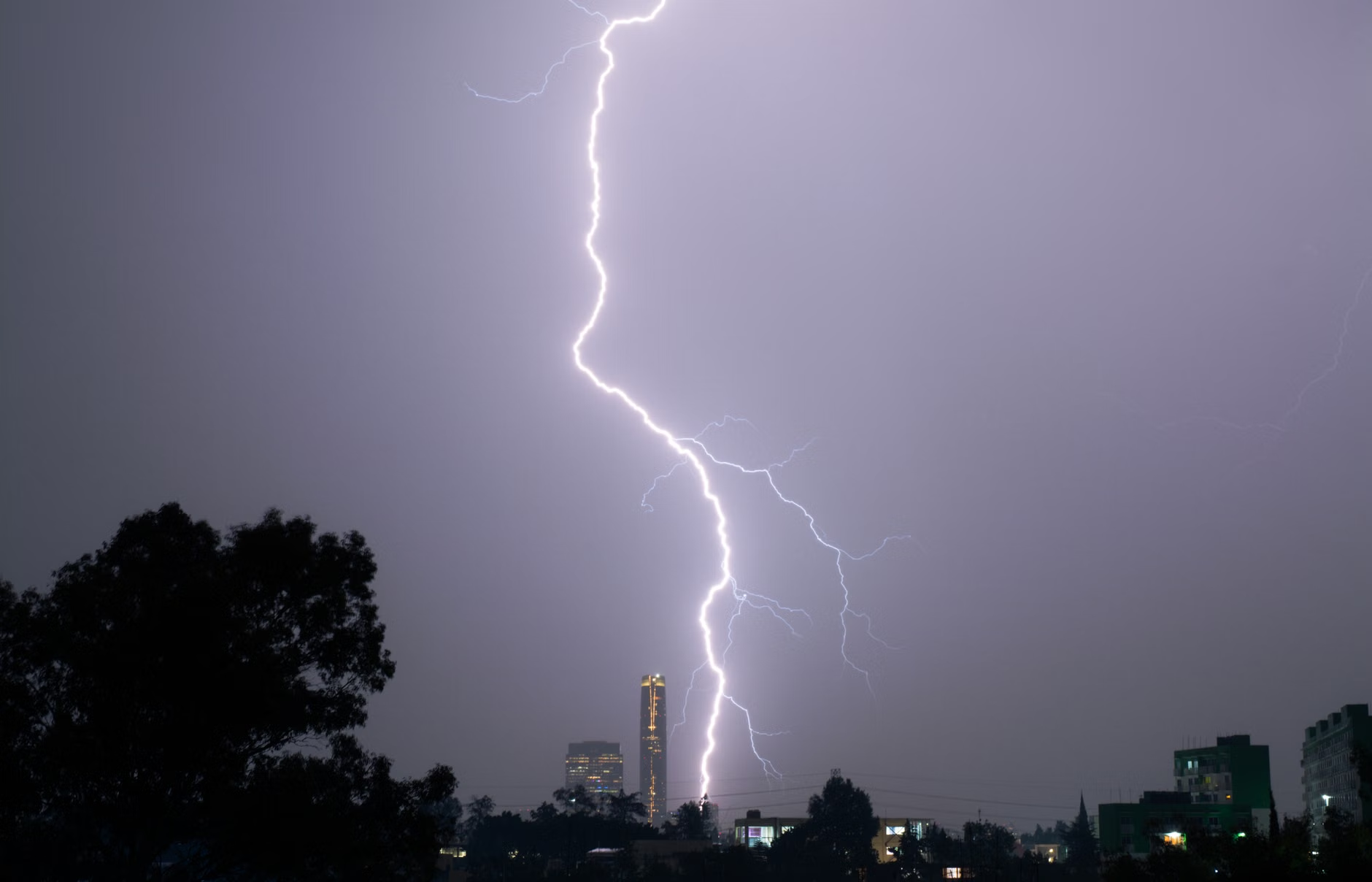
As Canada heads into an El Niño winter, a closer look at the dictionary meaning of ‘extreme’ shows how one word shapes the way Canadians read forecasts, weigh risk and plan ahead.
Extreme weather events have become a regular part of the Canadian news cycle, from summer wildfire smoke to winter storms that shut down highways. As the country heads into a season that forecasters expect to be shaped by El Niño, a basic question deserves attention: what does it actually mean when weather is called extreme?
The answer starts with the dictionary. It matters because the word now appears in public warnings, insurance discussions, municipal budgets and boardroom risk reports.
How the Dictionary Draws the Line Around ‘Extreme’
Merriam-Webster groups extreme with a family of related words: excessive, immoderate, inordinate, extravagant and exorbitant. The dictionary says all of them describe something that goes beyond a normal limit.
That shared idea of a normal limit is the key. Weather is only extreme in relation to what a place usually experiences. A day that is ordinary in one region can be far outside the expected range in another.
The dictionary also separates the shades of meaning within that family. It notes that excessive implies an amount or degree too great to be reasonable or acceptable. In everyday language the words overlap, but the distinction is useful when describing weather.
‘Excessive’ Versus ‘Extreme’: Why the Distinction Shapes Warnings
Applied to weather, the dictionary’s wording points to two related but different judgments:
- Beyond the normal range: Conditions that fall well outside what a location typically sees, such as unusual heat, rainfall or cold for that place and time of year.
- Beyond what is acceptable: Conditions that exceed what people, buildings or infrastructure can safely absorb, which matches the dictionary’s sense of excessive.
The two do not always line up. A rare event can cause little harm if communities are prepared. A less unusual event can still be damaging where systems were never built to handle it. That gap helps explain why Canadians sometimes see strong warnings for conditions that feel familiar, and lighter coverage for events that turn out to be costly.
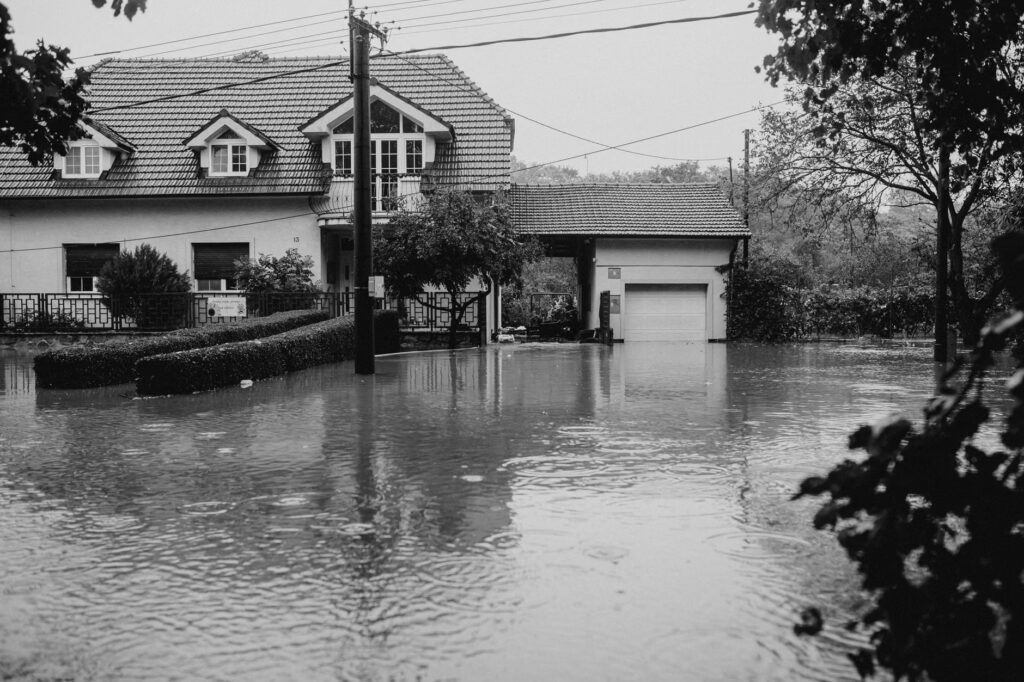
For readers, recognising the difference makes it easier to judge a forecast. The useful question is not only “How unusual is this?” but also “How much can my area handle?”
The Extreme Weather Events Canadians Already Know
The following is general background context and is not drawn from the dictionary source.
Canada’s size and geography expose it to a wide range of hazards. Several recent events have shaped how Canadians think about extreme conditions:
- Heat: The 2021 heat dome over British Columbia and the Pacific Northwest brought temperatures far above anything the region had recorded. The village of Lytton was largely destroyed by a wildfire shortly afterward.
- Atmospheric rivers and flooding: Later in 2021, a series of atmospheric rivers caused severe flooding and landslides in southern British Columbia, cutting key transportation links.
- Wildfire: The 2016 Fort McMurray wildfire forced the evacuation of the entire city. Wildfire smoke has since become a recurring summer concern far from the fire zones themselves.
- Ice and winter storms: The 1998 ice storm left large parts of Quebec and eastern Ontario without power, in some cases for weeks.
- River flooding: The 2013 floods in southern Alberta, including Calgary, showed how quickly mountain runoff and heavy rain can overwhelm urban areas.
Each of these fits the dictionary sense of going beyond a normal limit. Each also crossed the threshold of what local systems could reasonably absorb.
El Niño and the Winter Forecast Canadians Are Watching
The definition question takes on practical weight this fall. Brand Magazine has reported on the World Meteorological Organization’s outlook that the current El Niño event will peak in December and last into February 2027.
That outlook has prompted discussion of whether a record El Niño could deliver a warmest-ever start to winter in parts of the country. A warmer-than-usual season may sound mild, but it can still fall well outside the normal range. That makes it extreme in the dictionary sense, even without dramatic storms.
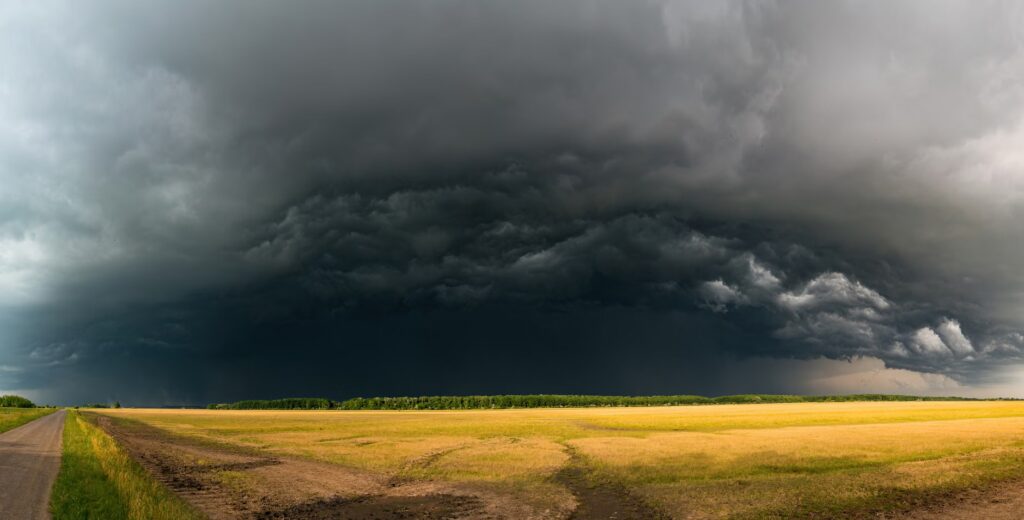
Unusual warmth can affect snowpack, winter recreation, ice roads in the North and water supplies the following spring. These effects show why “extreme” should not be read only as “violent.”
Why Extreme Weather Events Matter Beyond the Forecast
General context for business and policy readers.
For Brand Magazine’s business and policy audience, the vocabulary around extreme weather events carries real consequences. How an event is classified can influence:
- Insurance and claims: Insurers and policyholders pay close attention to how weather damage is described and documented.
- Public spending: Municipalities and provinces weigh how much to invest in drainage, cooling centres, firebreaks and power grid resilience based on what they consider a reasonable level of risk.
- Supply chains: Washed-out highways and rail lines, as seen in British Columbia in 2021, show how a regional event can disrupt national trade routes.
- Corporate disclosure: Companies increasingly discuss physical climate risk with investors and boards, which requires clear language about what counts as unusual or severe.
In each case, the question echoes the dictionary’s distinction. Is the risk simply beyond the normal range, or beyond what is acceptable to leave unaddressed?
Reading a Weather Alert With the Definition in Mind
Environment and Climate Change Canada and provincial agencies issue weather alerts to the public. The dictionary’s framing can help readers interpret them:
- Compare to local normal: Ask how far the forecast departs from what your area usually sees at this time of year.
- Consider local capacity: Think about whether your home, neighbourhood or commute is built for those conditions.
- Look past the headline word: “Extreme” can describe warmth, dryness or prolonged conditions, not only storms.
- Follow official guidance: Use information from recognised public weather and emergency services when deciding how to respond.
One Word, Many Canadian Seasons
The dictionary offers a simple standard: something is extreme when it goes beyond a normal limit. Excessive goes further, describing a degree too great to be reasonable or acceptable.
For a country that experiences heat domes, atmospheric rivers, wildfire smoke and ice storms, both ideas matter. As the El Niño winter unfolds, keeping that distinction in mind can help Canadians read forecasts more clearly and judge which warnings call for action.


