



A plain-language briefing on how Canada's severe weather hazards are tracked, warned about and paid for — and which details remain unconfirmed heading into the colder months.
Extreme weather events in Canada have moved from the back of the operations binder to the front of the boardroom agenda, and the shift is showing up in how companies schedule construction, route freight, insure property and plan staffing through the fall and winter. No single national tally of this season’s events has been confirmed at the time of writing, and the figures that circulate publicly are often preliminary. What can be reported with confidence is the structure around these events: who issues the alerts, how the hazards differ by region, and where the financial consequences tend to land.
This briefing is written as context for readers following the story, not as a forecast. Specific event counts, damage estimates and loss totals for the current season are not specified here because they have not been verified.
Why Extreme Weather Events in Canada Are Now an Operational Line Item
For most of the past generation, severe weather was treated by Canadian employers as an interruption: a snow day, a delayed shipment, a closed highway. The change is less about any one storm than about frequency and clustering — the growing likelihood that a business will face more than one disruptive event in a single fiscal year, in more than one region where it operates.
That matters because continuity planning is built on assumptions. A distribution network designed around one major weather closure a year behaves very differently when it faces three. The same logic applies to staffing rosters, deductible budgets, project timelines and the service-level guarantees written into customer contracts.
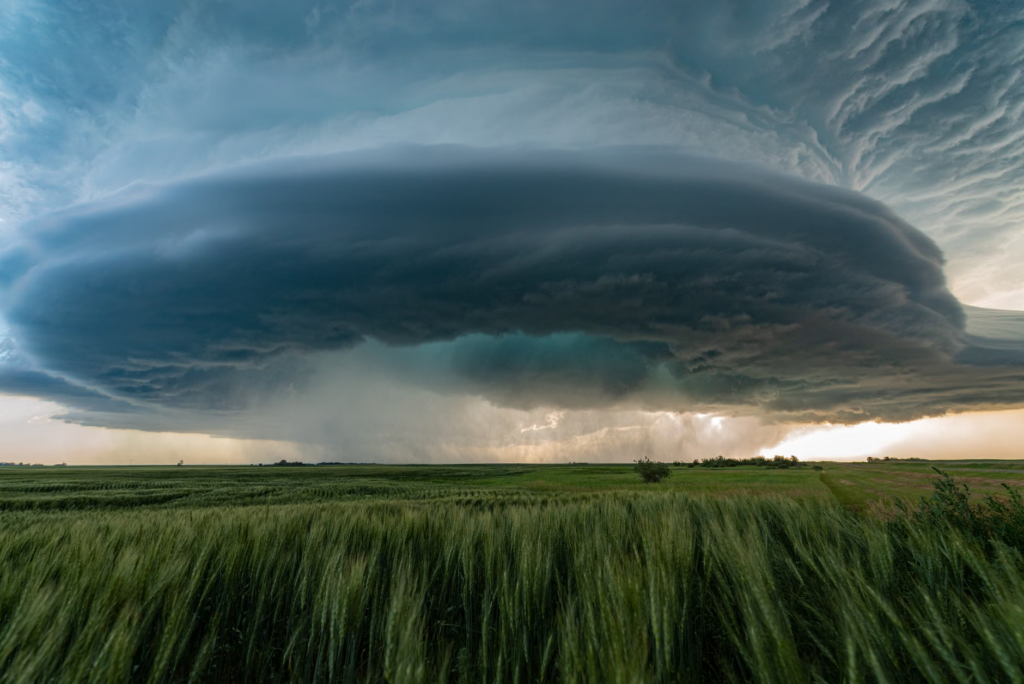
The practical consequence for Canadian firms is that weather risk now sits alongside interest rates and labour availability as a recurring planning variable rather than an act of God to be absorbed after the fact.
The Hazards Differ Sharply by Region
Canada does not have one extreme weather profile; it has several, and a national conversation that treats them as interchangeable tends to produce poor preparation. The broad regional pattern is well established in Canadian hazard planning:
- British Columbia and the Pacific coast: atmospheric river events delivering sustained heavy rainfall, with associated flooding, landslides and highway washouts, alongside summer wildfire and smoke seasons.
- The Prairies: severe convective storms bringing hail, damaging winds and tornadoes, plus drought cycles and extreme cold snaps driven by Arctic air intrusions.
- Ontario and Quebec: ice storms, freezing rain, lake-effect snow, summer thunderstorm complexes and heat events concentrated in dense urban areas.
- Atlantic Canada: post-tropical storms and hurricane remnants, coastal storm surge, and blizzards driven by intense low-pressure systems.
- The North: permafrost degradation, unreliable ice roads and shortened seasonal resupply windows that affect logistics far more than headlines suggest.
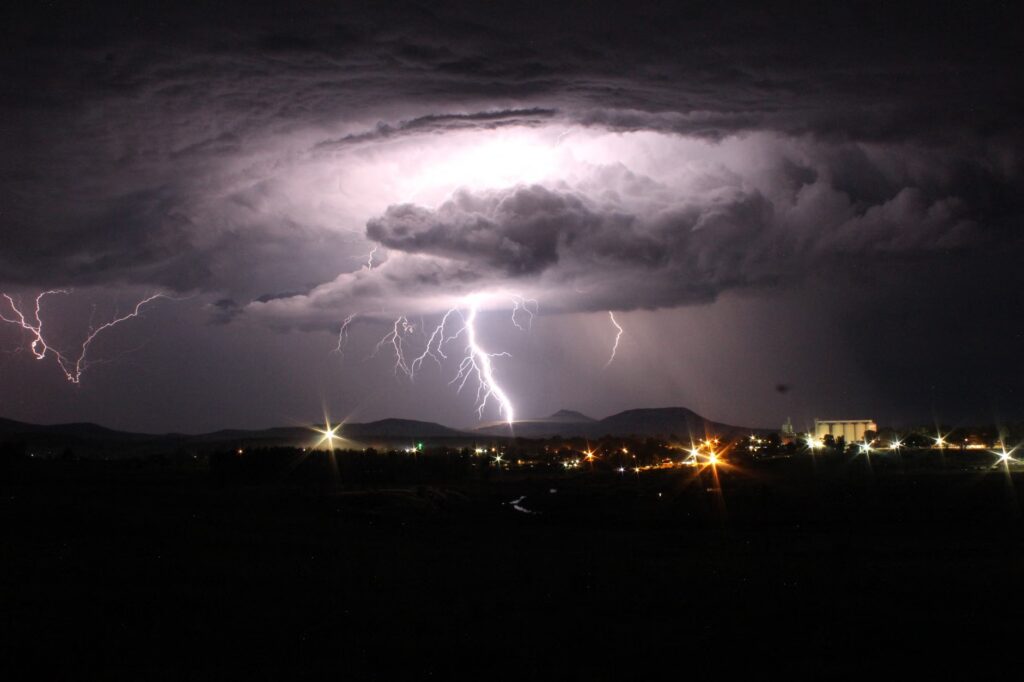
A company with operations in two or three of those zones is effectively managing two or three distinct risk portfolios, each with its own seasonality and its own insurance treatment.
How Warnings, Watches and Special Statements Actually Work
Public alerting in Canada is led by Environment and Climate Change Canada, which issues weather alerts in tiers. Understanding the tiers is the difference between acting early and acting late.
- Special weather statement: the lowest tier, used to flag conditions worth monitoring that may or may not develop into something more serious.
- Watch: conditions are favourable for a hazardous event, but timing, track or intensity remain uncertain. This is the planning window.
- Warning: the event is occurring or is imminent. This is the action window, and for most businesses it is already too late to reposition assets or adjust shifts comfortably.
Alerts are distributed through the national public alerting system, which reaches broadcast, wireless and online channels. Provincial emergency management organizations and municipalities layer their own instructions on top — evacuation orders, road closures and shelter openings are issued locally, not federally. Readers should treat official alerts as the authoritative source for any specific event; nothing in this article should substitute for a live warning.
What the Seasonal Outlook Adds to the Picture
Seasonal outlooks are probability statements, not schedules, and they are most useful for shaping expectations rather than fixing dates. Our reporting on the El Niño fall outlook and a potentially late winter start across Canada covers how large-scale climate signals get translated into regional temperature and precipitation odds.
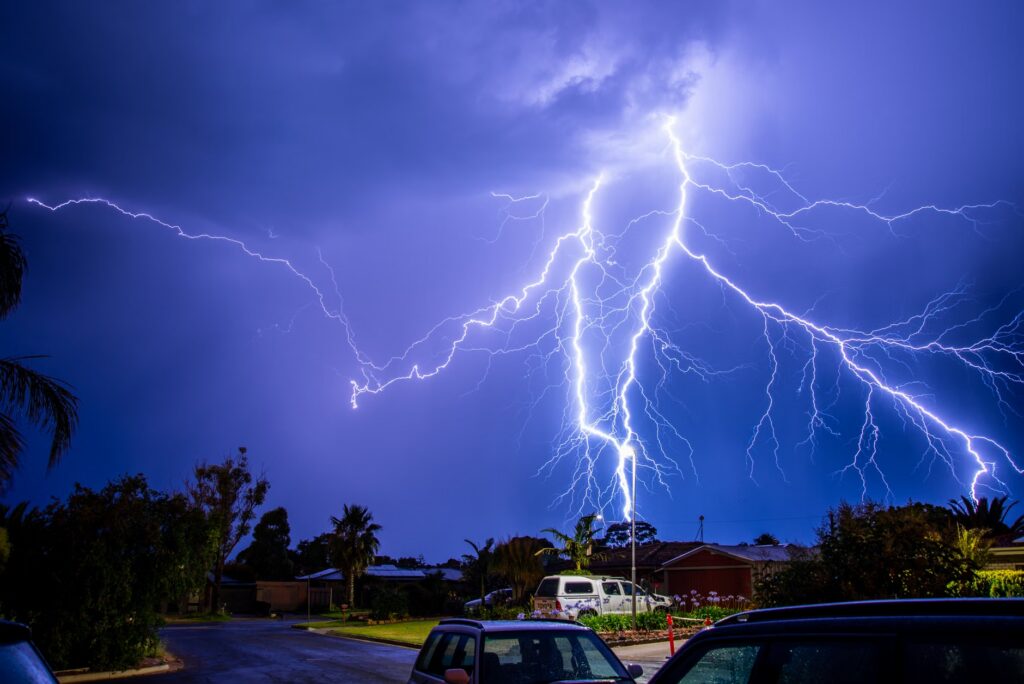
The operational takeaway is narrow but useful: a delayed winter onset can extend construction and paving seasons, shift retail demand for cold-weather goods, and compress the eventual snow-clearing budget into a shorter, more intense period. None of that is guaranteed, and outlooks are routinely revised.
Where the Costs Land: Insurers, Municipalities and Supply Chains
Weather losses in Canada are split between insured damage, uninsured damage and public infrastructure repair. The Insurance Bureau of Canada tracks insured catastrophe losses; provincial disaster financial assistance programs and municipal capital budgets absorb much of the rest. Specific loss figures for the current period are not specified in verified public reporting available for this article.
What is observable is the direction of pressure. Flood and overland water coverage, hail deductibles and wildfire exposure have all become active underwriting questions rather than routine renewals, particularly for commercial property in higher-risk postal codes. Business interruption coverage is where many firms discover, after the fact, that their policy responds to physical damage at their own premises and not to a washed-out highway three provinces away.
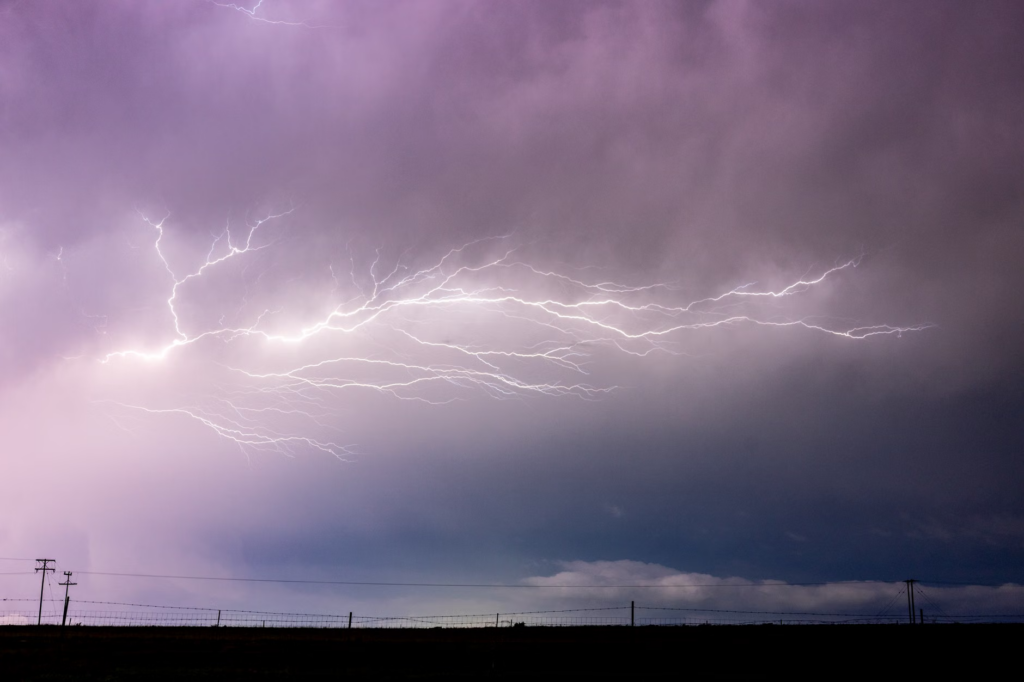
Supply chain exposure is the most under-modelled piece. A single corridor closure — a mountain pass, a rail subdivision, a port approach — can idle inventory that is nowhere near the storm.
Adaptation Spending Is Becoming Infrastructure Spending
Canadian municipalities have been steadily folding climate adaptation into ordinary capital planning: stormwater upsizing, culvert replacement, backflow valve subsidy programs, urban tree canopy targets, cooling centres and grid hardening. The framing has changed from environmental policy to asset management, because the cost of replacing a failed asset repeatedly exceeds the cost of building it larger once.
For the private sector, that creates a procurement story as much as a risk story. Engineering, water management, resilient materials, backup power, remote monitoring and data analytics all sit on the demand side of adaptation budgets. Investors tracking Canadian infrastructure allocation will recognise the same pattern visible in coverage of the Canada Investment Summit in Toronto, where industrial and materials firms compete for attention from capital allocators.
A Continuity Checklist Worth Reviewing Before Freeze-Up
The following is general preparedness guidance, not advice tailored to any specific business or policy. Verify details with your own insurer, broker and local emergency management office.
- Confirm your alert channels: ensure that at least two people per site receive official alerts and know who has authority to close or send staff home.
- Read the business interruption clause: establish whether coverage requires physical damage at your own premises and whether access denial or utility failure is included.
- Map single points of failure: identify the one corridor, one supplier or one facility whose loss stops revenue, then document the workaround before you need it.
- Test backup power and communications: a generator that has not been load-tested is a plan, not a capability.
- Write a remote-work trigger: decide in advance which alert tier moves staff off the road, so the decision is not made during a warning.
- Photograph and inventory assets: current documentation materially shortens claims timelines.
What Remains Unconfirmed
Readers should be clear about the limits of what can be reported here. No verified event log, casualty count, damage estimate or federal disaster declaration total has been established for the current season in the material available for this article, and those details are listed as not specified rather than estimated. Seasonal outlooks carry meaningful uncertainty, and any figure attached to a storm in its first 48 hours should be treated as preliminary.
The broader economic backdrop against which these costs land — borrowing conditions, employment, consumer demand — is covered in our ongoing reporting, including the Bank of Canada rate hold and its effect on prime, which shapes how readily municipalities and firms can finance adaptation work.
Frequently Asked Questions
What is the difference between a weather watch and a weather warning in Canada?
A watch means conditions are favourable for a hazardous event but the timing or intensity is still uncertain; a warning means the event is imminent or already happening and immediate action is expected.
Who issues official extreme weather alerts in Canada?
Environment and Climate Change Canada issues the weather alerts, while evacuation orders, road closures and shelter information come from provincial emergency management bodies and municipalities.
Does standard commercial insurance cover flood damage?
Coverage varies significantly by policy and by property. Overland flood and sewer backup protection are commonly separate endorsements rather than automatic inclusions, so confirm specifics with your broker.
Are this season’s Canadian weather loss totals available?
Not at the time of writing. Loss totals for the current period are not specified in verified public reporting, and early estimates released during an event are typically revised.


