



A new consumer study separates the wellness needs shoppers care about most from the ones brands can still win, and explains why that distinction matters for product teams in Canada.
The biggest functional foods innovation gap is not hydration, immunity or protein — it is sleep. That is the central finding of research released on 29 September 2026 by Knit, a New York-based AI-native consumer research agency, which surveyed 509 United States consumers who had recently bought supplements or foods and beverages with added health benefits.
The study set out to answer a question that product teams on both sides of the border keep getting wrong: whether the wellness needs people rate as most important are the same ones where brands still have room to compete. According to Knit’s results, they are not. The needs shoppers name first are often already solved, while the needs they quietly struggle with remain open.
For brand builders watching an increasingly crowded shelf in grocery, pharmacy and e-commerce channels, the distinction is commercially significant. It suggests that entering a category because it polls well may be the fastest route to a product nobody needed.
Why Hydration’s 91% Priority Score Masks a Saturated Shelf
Hydration was the single most widely endorsed priority in the study, with 91% of participants calling it important. On its own, that number reads like an invitation to launch another electrolyte stick or functional water.
The second number undercuts the first. Only 14.5% of respondents said they struggled to meet their hydration needs — in other words, the overwhelming majority already have a product they trust and reach for. High stated importance combined with low reported difficulty points to a category that is well served rather than underserved.

“Functional foods are everywhere, but that does not mean every consumer need is being met,” said Dana Bishop, Research Director at Knit. “Hydration matters to nearly everyone, but consumers already have products they rely on.”
Where the Functional Foods Innovation Gap Actually Sits
The unmet demand showed up in three adjacent areas, all of them harder to solve than thirst. Sleep led on both measures Knit tracked: it was the need consumers found most difficult to address, cited by 33.5%, and the one they were most eager to improve, at 45%.
Everyday stress came next, with 32% saying they struggle to manage it and 38% actively looking for a better solution. Jitter-free energy rounded out the list, with 27.3% finding it hard to achieve and 30% wanting more effective options than what they currently use.
- Hydration: 91% say it is important, but only 14.5% struggle to meet the need.
- Sleep: 33.5% find it difficult to address; 45% want a better solution.
- Everyday stress: 32% struggle to manage it; 38% are seeking something better.
- Energy without jitters: 27.3% find it elusive; 30% want more effective options.
“Sleep and stress are different,” Bishop said. “People are actively looking for better solutions, and no product or brand has fully earned their confidence.”
What Happened When Knit Tested Drift Away, Spark Focus and Serene Stir
Stated frustration does not always convert into purchase behaviour, so Knit put the thesis to a concept test. Three hypothetical products were presented at an identical price of US$29.99 for a 30-day supply, removing price as a variable and isolating the appeal of the benefit itself.
The three concepts were Drift Away, a melatonin-free sleep gummy; Spark Focus, an on-demand chewable tablet positioned around clarity without jitters or a crash; and Serene Stir, a daily powder mix aimed at stress management.
| Concept | Positioning | First-choice share |
|---|---|---|
| Drift Away | Melatonin-free sleep gummy | 44% |
| Spark Focus | On-demand chewable for clarity without jitters | 29% |
| Serene Stir | Daily powder mix for stress management | 27% |
Drift Away was the clear winner, recording 80% appeal, 65% purchase intent and 72% credibility. “The concept testing confirmed what we saw in the whitespace analysis,” Bishop said, adding that sleep is “a particularly strong territory for brands able to offer a credible benefit without adding new compromises” — a reference to the melatonin-free framing that avoided trading one concern for another.
Format Innovation Is Not the Barrier — Proof of Value Is
One of the study’s more pointed conclusions is aimed squarely at the industry habit of launching the same benefit in a new delivery system. Bars and snacks, ready-to-drink beverages and ingestibles such as capsules, tablets and pills can make a product easier or more pleasant to use, Knit found, but format is not where consumer frustration originates.
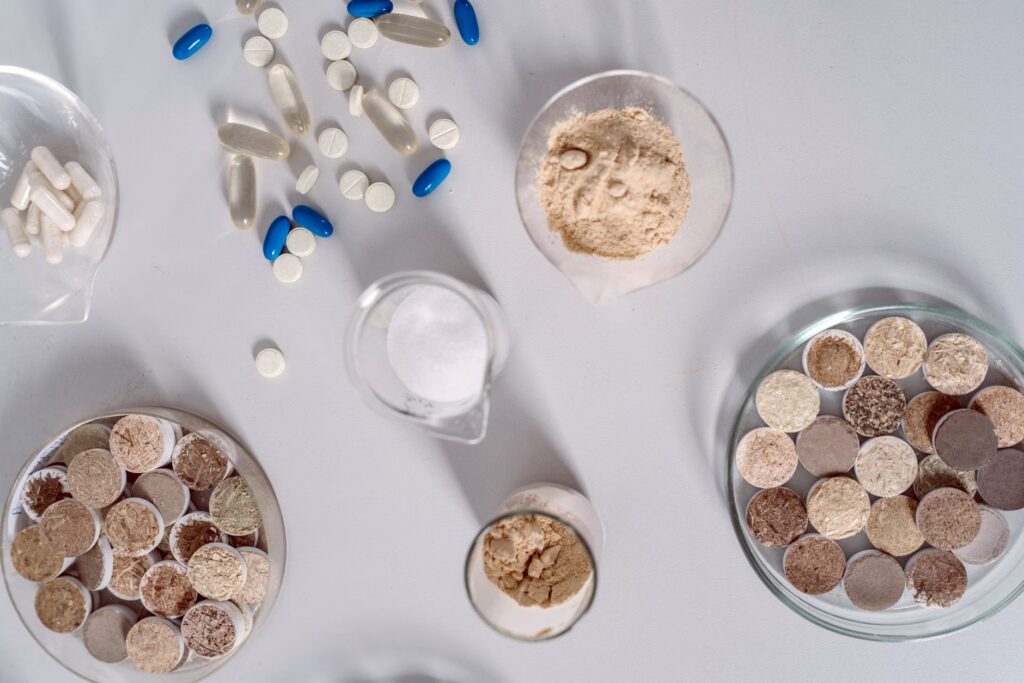
The larger objections were more fundamental: shoppers want to feel a clear benefit, trust the ingredients and the claims attached to them, and believe the product justifies what it costs. In a market where household budgets are already under scrutiny — a theme familiar to anyone who has watched how inflation data reshapes Canadian consumer spending — a premium wellness purchase has to clear a higher bar than novelty.
Knit’s recommendation to brands follows directly from that: solve the proof-of-value problem before adding another flavour, format or broad wellness promise.
Biohacker Optimizers, Reactive Relievers and Skeptical Casuals
Rather than sorting respondents by age or gender, Knit segmented them by their relationship with functional foods — an approach the agency argues better predicts how people react to a new product.
- Biohacker Optimizers: want strong scientific support, personalisation, and products that slot into routines they have already built.
- Reactive Relievers: look for practical help at a specific moment of need rather than an ongoing regimen.
- Skeptical Casuals: need straightforward products that feel credible and carry low perceived risk.
What links the three groups is the demand for evidence. Each segment arrives at scepticism from a different direction — scientific rigour, situational usefulness, or plain simplicity — but all three require a reason to believe before they will repeat a purchase.
How the Study Was Conducted
The research covered 509 U.S. consumers who had recently purchased supplements or foods and beverages with added health benefits, combining a whitespace analysis of unmet needs with concept testing of three fictional products. The findings were distributed as a company research release, and the three tested concepts are hypothetical — none is an announced product.
Readers should also note the sample is American, not Canadian, so the percentages describe U.S. shoppers rather than a verified Canadian market picture. Bishop discussed the results in further detail in a Greenbook webinar, now available on demand.
Why Canadian Brand Builders Should Read the Numbers Carefully
Canada’s functional food and beverage sector shares supply chains, retail buyers and marketing playbooks with the U.S. market, so category signals rarely stop at the border. The general industry context is that crowded shelves tend to reward differentiation on demonstrated benefit rather than on packaging or flavour extensions — a dynamic consistent with the competitiveness pressures flagged across several Canadian sectors.
There is an important regulatory caveat for domestic operators. Health claims on foods, beverages and natural health products sold in Canada are governed by federal rules, and a benefit that can be marketed one way in the United States may require different substantiation or wording here. Knit’s study measures consumer appetite, not regulatory permission, and the two should not be conflated.

The practical takeaway for Canadian product and insights teams is methodological as much as commercial: ask consumers not only what they care about, but how well their current solution works. Importance alone, this research argues, is a poor map of where opportunity actually lies.
Frequently Asked Questions
Does the study include Canadian consumers?
No. The sample was 509 U.S. consumers who had recently bought supplements or functional foods and beverages. No Canadian sample size is specified in the research.
Are Drift Away, Spark Focus and Serene Stir real products?
No. All three were hypothetical concepts created for testing purposes and priced identically at US$29.99 for a 30-day supply so that price did not influence the comparison.
Why did hydration score highly but rank as a weak opportunity?
Because 91% called it important while only 14.5% struggled to meet the need, indicating most consumers already have products that work for them.
What does Knit mean by “proof of value”?
The combination of a benefit consumers can actually feel, ingredients and claims they trust, and a price they believe is justified — the three frustrations the study identified as more fundamental than product format.


