


What changed at Ottawa's foreign-investment agency, who is now running it, and why the timing matters two weeks before Canada's first investment summit.
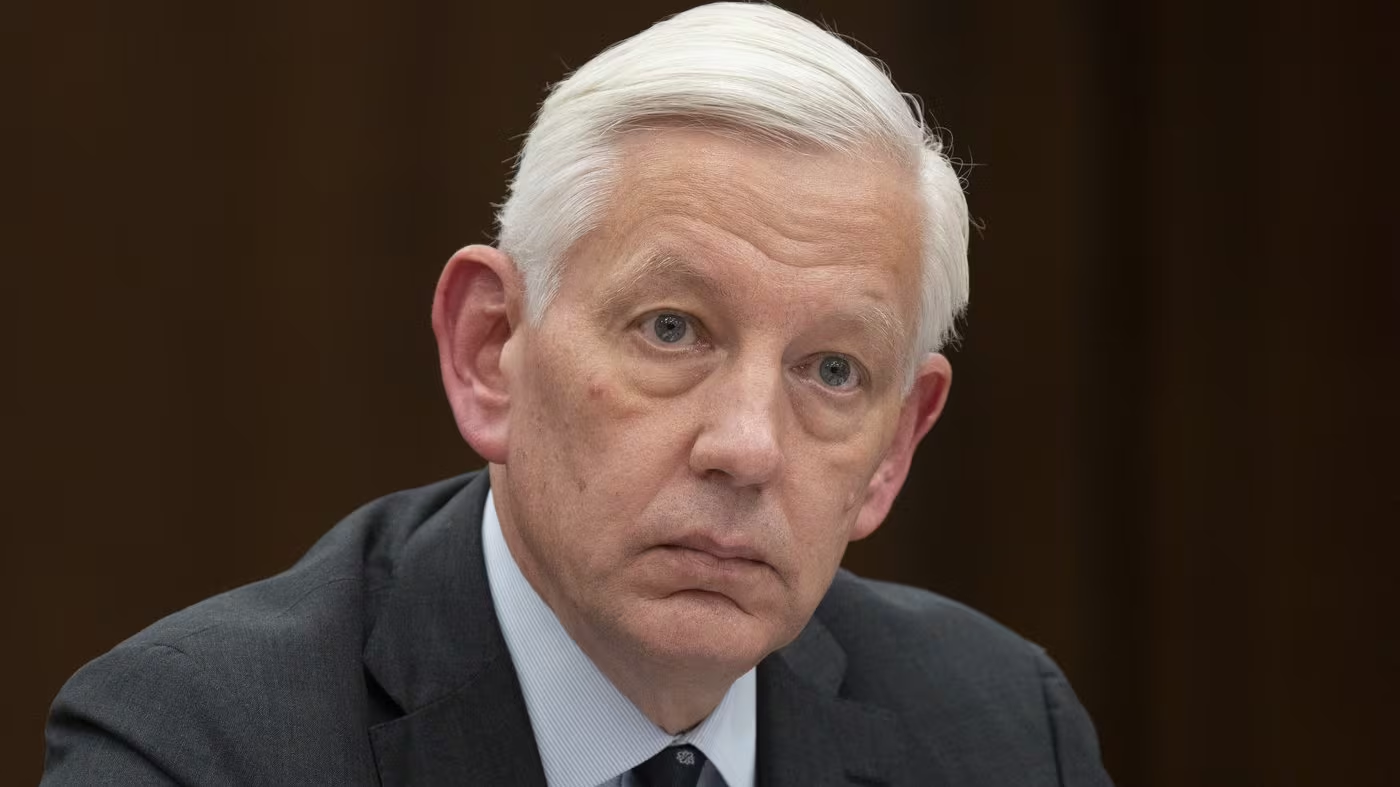
The Invest in Canada CEO resignation announced on Aug. 31, 2026 has handed the federal government’s foreign-investment agency an almost entirely new leadership structure just two weeks before Ottawa’s first national investment summit. Prime Minister Mark Carney confirmed that Dominic Barton, the former Canadian ambassador to China, will chair the agency’s board of directors, while investment fund manager Gurinder Grewal takes over as chief executive from Laurel Broten.
Dominic LeBlanc, the cabinet minister responsible for the agency, said on social media the same day that he had accepted Broten’s resignation. The timing is the part corporate Canada noticed: the summit Carney is convening in Toronto is designed to put Canadian projects in front of global capital, and the organization built to court that capital is changing hands in the run-up to it.
Who Is Now in Charge at the Federal Foreign-Investment Agency
Two appointments were announced together, covering the top governance seat and the top executive seat. The table below sets out only what has been confirmed.
| Role | Name | What the announcement confirms |
|---|---|---|
| Chair, board of directors | Dominic Barton | Former Canadian ambassador to China; a widely recognised figure in Canadian business circles |
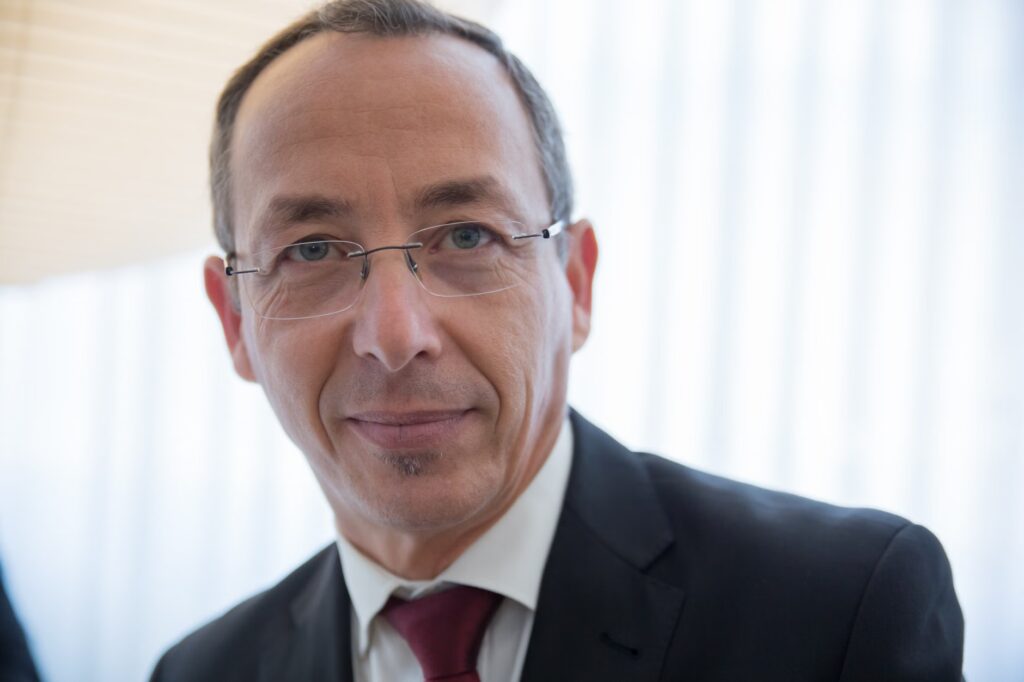
| Chief executive officer | Gurinder Grewal | Investment fund manager with experience in the energy and infrastructure sectors |
| Outgoing chief executive | Laurel Broten | Former Ontario cabinet minister; resignation accepted by Minister Dominic LeBlanc |
| Effective date of changes | Not specified | Announcement made Aug. 31, 2026 |
| Reason cited for the resignation | Not mentioned | No explanation was given publicly |
Our earlier coverage of the moment Dominic Barton was named chair of Invest in Canada as the CEO exited sets out how the announcement was first framed in Ottawa.

Why the Chair’s Seat Carries Unusual Weight Here
Board chairs at federal agencies are not ceremonial. The chair sets the agenda for directors, controls how closely the board scrutinises management, and is usually the person who owns the relationship with the responsible minister. Installing a chair with Barton’s international profile signals that Ottawa wants the agency’s governance to be visible to outside investors, not just administratively sound.
Barton is no stranger to parliamentary scrutiny either. He appeared as a witness before the House of Commons Standing Committee on Government Operations and Estimates in Ottawa in February 2023, an appearance that remains part of his public record in the capital.
As general governance context — not something stated in this announcement — a simultaneous change of chair and CEO is one of the more consequential moves a public body can make. It resets both the oversight layer and the operating layer at the same time, which can accelerate a change in direction but also removes institutional continuity at the top.

What Grewal’s Energy and Infrastructure Background Suggests
Grewal’s stated background is in investment fund management, with experience across energy and infrastructure. Those are precisely the asset classes that dominate discussions between governments and large pools of capital: pipelines, power generation, transmission, ports, and the long-duration projects that pension and sovereign funds favour.
Appointing a fund manager rather than a career politician or public servant is a meaningful shift in profile. Broten, by contrast, came to the role having served in the Ontario cabinet. The new pairing puts a capital-markets practitioner in the executive chair and a former ambassador with deep corporate relationships in the governance chair.
What the government has not said is how either appointee intends to change the agency’s mandate, its investment-attraction targets, or its staffing. No strategic plan, budget change, or restructuring was announced alongside the personnel news.
Laurel Broten’s Departure and the Questions Left Open
Broten’s resignation was confirmed by LeBlanc rather than framed as a dismissal, and no reason was made public. The announcement did not say when she formally steps away, whether she remains available in any transitional capacity, or who is handling the handover to Grewal.
For readers tracking the file, that is the central gap in the public record. Until the government or the agency provides detail, the sequence of events — a resignation accepted by the minister on the same day the Prime Minister named a new chair and a new CEO — is all that is verified.
The Toronto Investment Summit That Sits Two Weeks Away
Carney’s inaugural investment summit in Toronto is the reason this shuffle is being read as more than routine housekeeping. The event is intended to bring foreign investors together with the heads of major domestic funds so the federal government can pitch them directly on Canadian projects.

That gives the new leadership a compressed runway. A chair and a chief executive who were announced in late August will be in place for an event where Canada’s investment case is delivered in person to the people who allocate capital. Whether the agency’s new leaders take a visible role at the summit has not been confirmed.
Readers following the mechanics of the appointments can see the fuller breakdown in our report on the Invest in Canada leadership changes naming Barton as chair and Grewal as CEO.
The Trade-War Backdrop to Canada’s Investment Pitch
The overhaul lands while trade tensions with the United States continue to shape Canadian economic policy. Tariffs and the broader Canada-U.S. dispute have run through much of the federal agenda this year, from business consultations to sector-specific relief measures, and they inevitably colour any conversation about why global investors should commit capital to Canadian assets.

That environment raises the stakes for an agency whose job is to convert interest into committed dollars. Investors weighing Canadian projects are also weighing cross-border trade risk, and the case Ottawa makes in Toronto will have to address it.
The government’s broader autumn planning has been building for weeks, including the cabinet planning forum in Banff that shaped Carney’s fall agenda, which placed economic growth and investment at the centre of the government’s near-term priorities.
What Directors and Investors Will Be Watching Next
Because the government released the appointments without an accompanying strategy document, several practical markers will show whether this is a change of faces or a change of approach:
- Effective dates and transition: when Grewal formally assumes the CEO role and how the handover from Broten is managed.
- Board composition: whether further director appointments follow a new chair, as often happens when governance is refreshed.
- Mandate clarity: any updated priorities, sector focus, or performance targets set for the agency under new leadership.
- Summit outcomes: whether the Toronto event produces announced commitments and what role the agency plays in following up on them.
- Accountability line: how LeBlanc, as responsible minister, defines what he expects from the new chair and chief executive.
None of those details were part of the Aug. 31 announcement. The confirmed facts remain narrow: a resignation accepted, a chair named, a chief executive named, and a summit approaching in Toronto in roughly two weeks.
The Practical Read for Canadian Business
For companies and investors who deal with the federal investment agency, the immediate effect is a new point of contact at the top and a new tone-setter on the board. For everyone else, the story is a timing story: Ottawa is changing the leadership of its investment-attraction arm at the exact moment it is asking global capital to take Canada seriously.
The next concrete date on the calendar is the Toronto summit itself. That is where the new chair and chief executive will first be measured against the pitch they have inherited.