


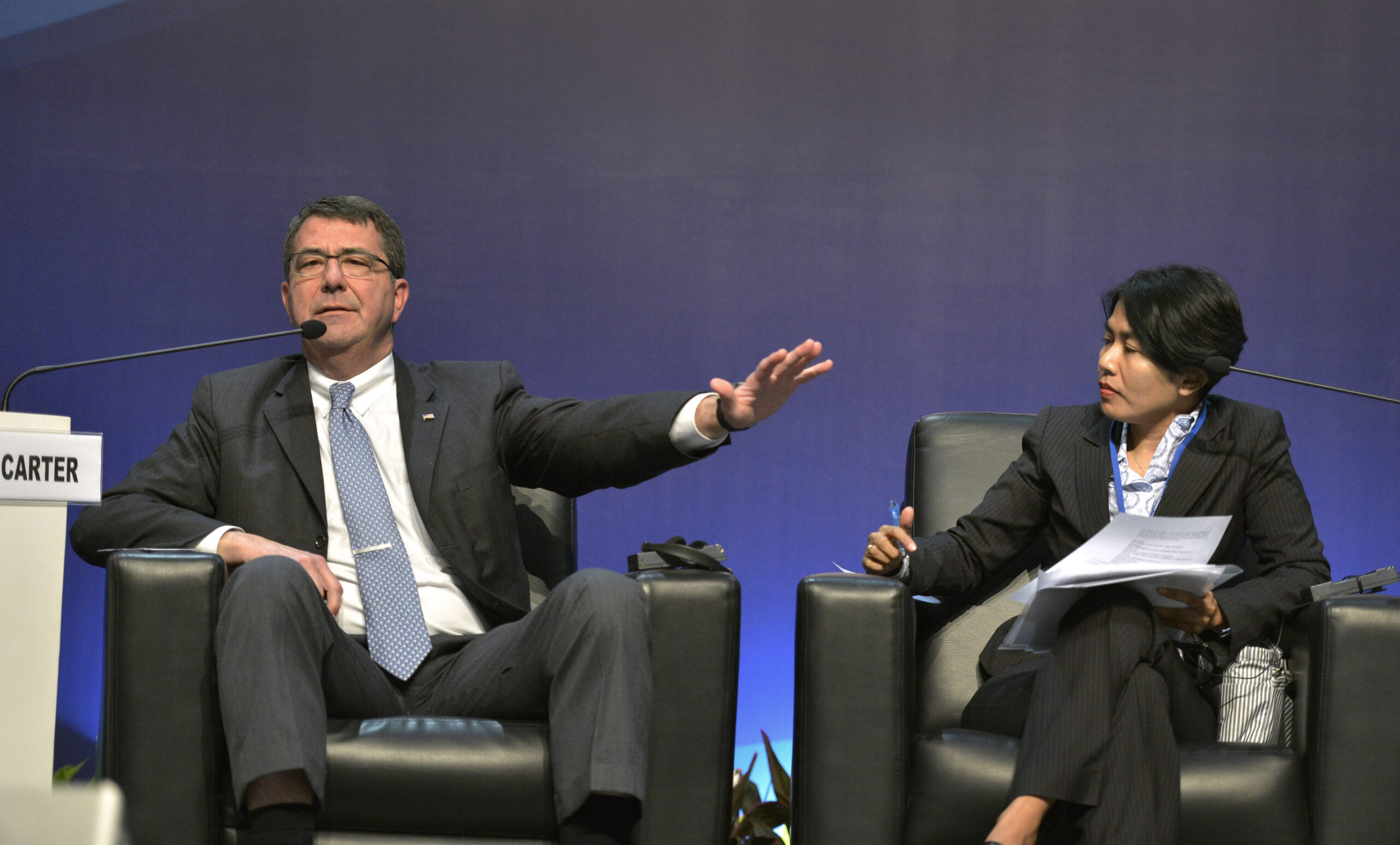
A guide to the three forces driving international headlines this autumn, and why each one reaches Canadian trade, security and household budgets.
Geopolitics news in mid-October 2026 keeps returning to three connected threads: war, diplomacy and competition among the world’s great powers. Leading international outlets now build their world-affairs coverage around these themes. Many also publish short running briefings through messaging apps such as Telegram for readers who want a quick daily read on world events.
For Canadians, this is more than a reading list. Each thread affects things that matter at home, including export markets, defence commitments, energy prices and the country’s place among allies. This article sets out what each force involves, how the three interact and where Canada fits.
Why War, Diplomacy and Great-Power Competition Lead the Agenda
These three themes are not separate stories. Wars test alliances, alliances shape diplomacy, and diplomacy is increasingly a contest between rival powers seeking influence. A ceasefire talk, a sanctions package and a naval deployment can all be part of the same storyline.
That is why serious international coverage groups them together. A reader who follows only battlefield updates misses the negotiations that may end a conflict. A reader who follows only summit communiqués misses the military pressure behind them.
General context: Since the end of the Cold War, analysts have debated whether the world is moving towards a system with one dominant power, two rival blocs or several competing centres of power. That debate frames much of today’s reporting, and it explains why great-power competition now sits alongside war and diplomacy as a core theme rather than a background topic.
Armed Conflict and the Lessons Drawn Since the Invasion of Ukraine
War remains the most visible part of the geopolitical picture. Russia’s full-scale invasion of Ukraine in February 2022 changed how many governments think about security. It brought large-scale interstate war back to Europe and pushed NATO members to reconsider their defence budgets and readiness.
Analysts and historians are still revising how that period should be understood. Brand Magazine has examined one such debate in its coverage of how Japanese diplomacy responded after Crimea and Kyiv, which shows how even well-established accounts of recent events get tested and challenged.
Modern conflicts rarely stay contained, in either military or economic terms. They reach well beyond the front line through several channels:
- Energy markets: Fighting near producing regions or shipping routes can move oil and gas prices quickly.
- Food supply: Disruption to grain exports can raise prices far from the conflict zone.
- Shipping lanes: Threats to key sea routes can add cost and delay to global trade.
- Alliance commitments: Wars prompt allies to raise defence spending and send aid, which affects national budgets.
For readers tracking current hotspots, Brand Magazine’s roundup of global flashpoints from the Black Sea to Saudi Arabia covers the regions drawing the most attention this week.
Diplomacy as the Pressure Valve in a Tense World
If war is the most visible thread, diplomacy is often the most important. Summits, envoys, back-channel talks and multilateral meetings are where conflicts are contained, paused or settled. They are also where rival powers test one another without firing a shot.
Diplomatic news tends to move more slowly than conflict news and gets fewer headlines. Yet the outcome of a trade negotiation, a sanctions agreement or a peace framework can last for decades. Readers who learn to follow the diplomatic calendar often see major shifts coming well before they arrive.
General context: Canada has traditionally favoured multilateral forums such as the United Nations, the G7, NATO and the Commonwealth. It hosted the G7 leaders’ summit in Kananaskis, Alberta, in 2025. Mid-sized countries often gain more influence by working through coalitions than they could alone, and Canadian policy has long reflected that approach.
Great-Power Competition and the Squeeze on Middle Powers Like Canada
The third thread, great-power competition, describes the struggle among the largest states for economic, technological, military and diplomatic advantage. It covers everything from semiconductor supply chains and critical minerals to naval presence in contested waters and influence in developing economies.
For a middle power such as Canada, this competition creates both pressure and opportunity. Canada is closely tied to the United States through trade, NORAD and shared security interests. It also has economic links with Europe and the Indo-Pacific that it wants to protect and grow.
General context: Canada published its Indo-Pacific Strategy in 2022, setting out how it planned to engage with that fast-growing region while managing its relationship with China. The country also holds trade agreements with the European Union (CETA) and with Pacific Rim economies (CPTPP), giving it options beyond its largest market.
The Arctic is a growing part of this story. As ice cover changes and northern routes become more accessible, interest in the region from global powers is rising. Questions of sovereignty, northern defence and resource development put Canada directly in the path of great-power interest.
What Geopolitics News Means for Canadian Trade, Prices and Security
Canada is a trade-dependent economy. Roughly three-quarters of its goods exports go to the United States, so shifts in American trade policy are among the most consequential geopolitical developments for Canadian businesses. The scheduled six-year joint review of the Canada-United States-Mexico Agreement (CUSMA), which fell in 2026, kept that relationship near the top of the national agenda.
The table below links each major theme to its most direct effects on Canada. It is general context to help readers interpret headlines, not a forecast.
| Theme | What to watch | Why it matters in Canada |
|---|---|---|
| War and armed conflict | Fighting near energy, grain or shipping hubs | Fuel prices, food costs and defence spending commitments |
| Diplomacy | Summits, sanctions decisions and trade negotiations | Market access for exporters and Canada’s standing with allies |
| Great-power competition | Technology controls, critical minerals and Arctic activity | Investment flows, mining and manufacturing, northern sovereignty |
| North American trade | U.S. tariff and trade policy, CUSMA follow-through | Jobs and revenue in auto, energy, agriculture and forestry |
Business owners feel these forces through input costs, currency moves and supply-chain disruption. Households feel them at the gas pump and the grocery till. Investors see them in market volatility when tensions rise or ease.
How to Read the Daily Flow of Geopolitics News
The volume of international reporting can be overwhelming. Longer analysis now sits alongside short briefings delivered by app, email and social channels. A few habits help readers separate signal from noise:
- Follow the thread, not the flash: One development rarely changes everything. Look for patterns across weeks rather than reacting to a single headline.
- Watch the diplomatic calendar: Scheduled summits, elections and treaty reviews often matter more than surprise events.
- Ask who benefits: In great-power competition, most moves are designed to gain leverage. Asking who gains helps explain why a decision was made.
- Connect it to home: Consider how a distant event might reach Canadian trade, prices or security. That step turns world news into useful information.
- Check analysis against facts: Expert interpretation is valuable, but early reports and forecasts often change as more information emerges.
Short-form briefings are useful for staying current, while longer analysis gives the context needed to understand why events unfold as they do. Using both gives a fuller picture than either one alone.
Why Canadians Have a Stake in the Global Contest
Canada is often described as geographically sheltered, protected by three oceans and a long, peaceful border. In economic and strategic terms, that protection is thinner than it looks. Supply chains, energy markets, digital networks and alliance obligations all tie the country to events far from its shores.
War, diplomacy and great-power rivalry will keep shaping international headlines through the rest of 2026. For Canadian readers, the most useful approach is to treat these three threads as one connected story and to keep asking what each development means at home. Brand Magazine will continue tracking the developments most relevant to Canadian business and policy as they unfold.


