



What Canada's broadcast regulator has confirmed, what discoverability actually means for streaming platforms, and which pieces of the file are still unscheduled.
Canada’s federal broadcast regulator has confirmed it will carry on with the process of writing Cancon streaming rules, even after the same file helped bring Canada-U.S. trade negotiations to a halt. A spokesperson for the Canadian Radio-television and Telecommunications Commission said on August 26, 2026 that the CRTC will move ahead to determine exactly how streaming services must make Canadian programming both available and visible to audiences in Canada.
The confirmation, reported from Ottawa, is short on calendar detail: the regulator says it is still finalizing the dates for the regulatory proceedings that will settle those questions. But the signal itself is the news. A policy Washington objected to loudly enough for it to feature in the breakdown of trade talks is not being quietly shelved.
What the CRTC Actually Confirmed About the Cancon Streaming Rules
The commission’s statement was narrow and procedural rather than a finished policy. It said the process will go forward, and that the outstanding question it intends to answer is how streamers must ensure Canadian content is available on their services and findable by the people using them.
Two things are worth separating here. Availability is about whether a Canadian title is carried on a platform at all. Discoverability is about whether a viewer scrolling a home screen ever encounters it. The second is the harder regulatory problem, and it is the one that drew the sharpest objections.
No proposed mechanism, quota, percentage or compliance timeline has been made public in connection with this confirmation. The regulator has not said when hearings or written phases will open. Anyone reading a specific requirement into the announcement at this stage is reading ahead of the record.
The 2023 Online Streaming Act the Regulator Is Implementing
The legal basis for all of this is the Online Streaming Act, passed by the Liberal government in 2023. The legislation states that streamers should ensure Canadian programs, including French-language content, can be found on the streaming services they offer in Canada.

The Act sets the objective; it does not spell out the operational detail. That job falls to the CRTC, which must translate a statutory principle about findability into rules that can be applied to platforms with very different catalogues, interfaces and recommendation systems.
That translation work is the reason the file has taken years rather than months, and it is the reason a single confirmation that the process continues counts as a development in its own right.
Carney Says U.S. Pressure Targeted Discoverability
Prime Minister Mark Carney has said the United States pressed Canada to adjust its position on rules governing the discoverability of content online. In his account, meeting the U.S. demands would have affected Canada’s ability to protect its culture, including the French language.
That framing places the dispute outside the usual tariff-and-quota vocabulary of trade talks and inside cultural policy, an area Canadian governments of different stripes have historically treated as carved out from ordinary market negotiation. It also explains why the regulator proceeding is being read politically as well as administratively.
The Carney government has been visible on several industrial and cultural policy fronts this year, including its $4.7-billion Via Rail order for rail cars built in Thunder Bay. The streaming file sits in the same broad political frame: domestic capacity and domestic content, defended in the face of external pressure.

Why the May Decision to Tailor Rules Streamer by Streamer Matters
In May, the CRTC said it would not immediately impose universal requirements on streaming services. Instead, it said it would work with each streamer individually to develop tailored rules.
That approach has practical logic behind it. A global subscription video platform, a music streaming service and a niche francophone offering do not share the same interface, catalogue mix or audience behaviour, so a single blanket obligation would land very unevenly across them.
It also has consequences worth flagging for readers following the file:
- Timelines multiply: negotiating platform-by-platform arrangements is slower than issuing one rule that applies to everyone.
- Transparency becomes a question: tailored obligations can be harder for the public and the production sector to compare across companies.
- Leverage shifts: individual negotiation gives each platform a distinct conversation with the regulator rather than a common front.
- The end state stays open: the CRTC framed the May position as not imposing universal requirements immediately, which leaves later options unresolved.
What Discoverability Means on a Home Screen
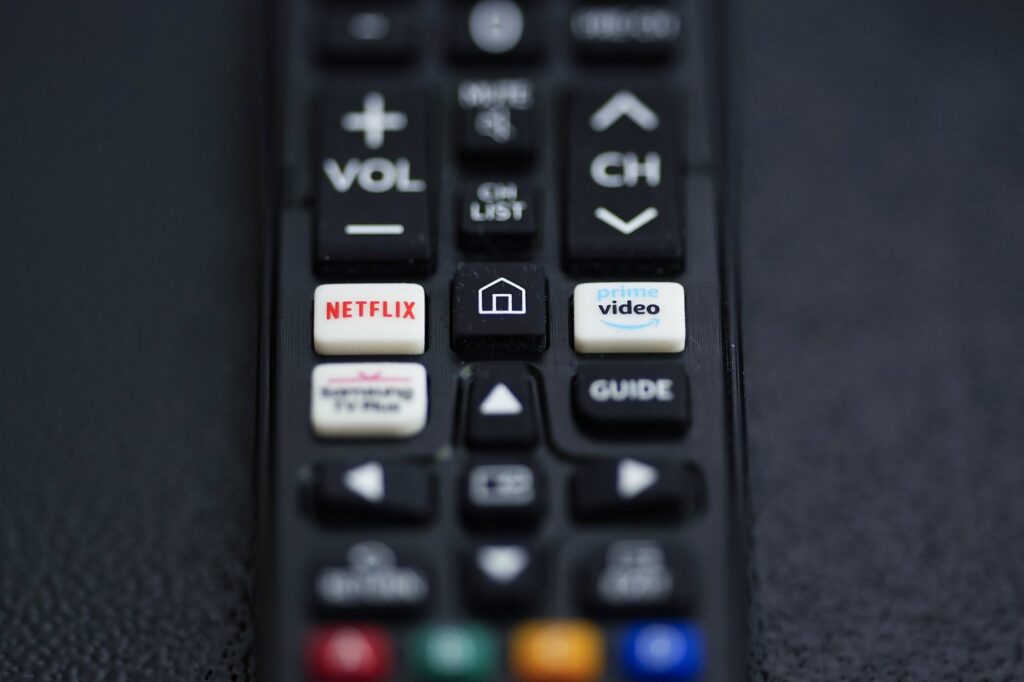
The following is general industry context rather than anything the CRTC has proposed. Discoverability, in practice, is a design and algorithm question. On most streaming platforms, what a subscriber sees first is the product of recommendation systems, promotional carousels, artwork selection, search ranking and merchandising decisions made by the platform.

That is why the concept unsettles platform operators more than a simple carriage obligation would. Rules touching how content is surfaced brush up against proprietary recommendation technology and product design, not just licensing.
It is also why Canadian producers and francophone creators have argued the principle matters. A title that exists in a catalogue but never appears in front of a viewer generates little audience and little cultural return. The regulatory debate, stripped down, is about who decides what Canadian audiences are shown.
Similar governance questions are surfacing across Canada’s technology policy landscape, including warnings that AI systems are moving faster than the rules meant to govern them. The pattern is familiar: the technology ships, the framework follows.
The Financial Contributions Fight Running Alongside Discoverability
Discoverability is not the only piece of the streaming file in play. Canada’s cultural sector has publicly urged Carney not to scrap the financial contributions streamers make toward Canadian content, a separate strand of the same broader regulatory framework.
The two issues are distinct. One concerns money flowing into the production system; the other concerns visibility once programming exists. They are frequently discussed together because both were built on the same legislative foundation and both have been raised in the context of trade friction with the United States.
No decision on the contributions question was announced alongside the confirmation on discoverability proceedings, and the source material does not indicate that one is imminent.
What Business Readers Should Watch From Here
For advertisers, producers, distributors and media investors in Canada, the immediate takeaway is that regulatory uncertainty on streaming has not been resolved by the trade dispute. The process continues, the design of the rules is unsettled, and the schedule is not yet public.
Three concrete markers will tell readers how quickly this moves: the publication of proceeding dates by the CRTC, the shape of the first tailored arrangements reached with individual streamers, and any government statement on the financial contributions question. Until those land, the file remains open.
The dispute also illustrates something durable about the Canada-U.S. relationship. Cultural regulation, long treated domestically as a sovereignty question, is now being contested as a trade issue, and the two framings do not reconcile easily.
Frequently Asked Questions
Has the CRTC decided what streamers will have to do?
No. The regulator confirmed it will proceed with the process to determine how streamers must make Canadian content available and visible. The specific requirements have not been set out publicly.
When do the regulatory proceedings begin?
Not specified. The CRTC said it is still finalizing the dates.
Which law gives the CRTC this authority?
The 2023 Online Streaming Act, which states that streamers should ensure Canadian programs, including French-language content, can be found on streaming services offered in Canada. The CRTC is responsible for implementing it.
What did the United States object to?
According to Prime Minister Mark Carney, the U.S. pressured Canada to change its position on online discoverability rules, and he said those demands would have affected Canada’s ability to protect its culture, including the French language.
Will every streaming service face identical rules?
Not under the approach the CRTC described in May, when it said it would work with each streamer on tailored rules rather than imposing universal requirements immediately.


