



A look at what Canada's largest passenger rail order means for a 77-year-old fleet, 700 manufacturing jobs in northern Ontario, and Ottawa's push to buy Canadian.
Ottawa Commits $4.7 Billion to Build 313 Via Rail Cars in Northern Ontario
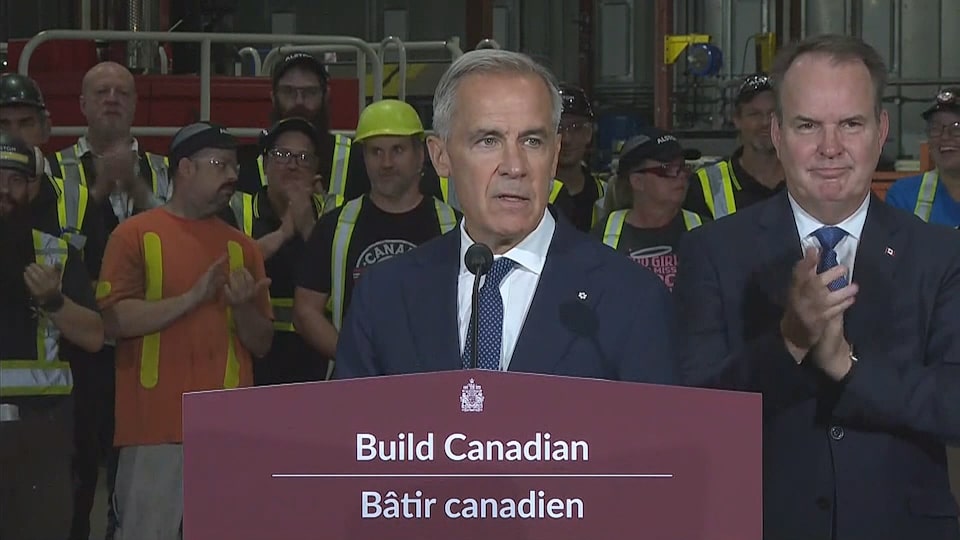
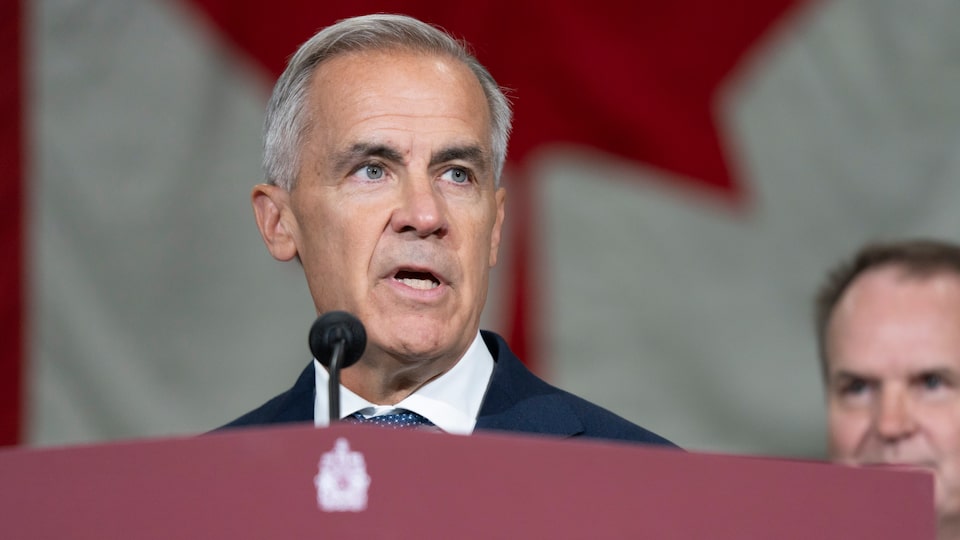
Prime Minister Mark Carney travelled to Thunder Bay, Ontario, to announce a $4.7 billion contract for 313 new Via Rail passenger cars, a procurement federal officials describe as the largest single investment in the passenger railway’s history. The announcement was made at Alstom’s manufacturing facility in the city, where the cars are to be built.
The timing is deliberate. Ottawa has been pushing to strengthen domestic industrial capacity and reduce dependence on foreign supply chains, particularly those running through the United States, as trade tensions between the two countries intensify.
Carney framed the order as both a transportation fix and an industrial policy decision: replacing rolling stock that has aged well past its intended service life while directing the work to Canadian plants and workers.
Key Details at a Glance
| Item | Detail |
|---|---|
| Contract value | $4.7 billion |
| Passenger cars ordered | 313 |
| Manufacturing location | Alstom facility, Thunder Bay, Ontario |
| Direct jobs projected | 700 at the Thunder Bay plant |
| First delivery expected | 2031 |
| Average age of current long-distance fleet | Approximately 77 years |
| Announced by | Prime Minister Mark Carney; Transport Minister Steven MacKinnon |
A Fleet Older Than Most of Its Passengers
According to federal figures released by the Prime Minister’s Office, passenger cars currently running on Via Rail’s long-distance and remote routes average roughly 77 years of age. Carney underscored the point with a cultural reference, noting the fleet dates to an era when the National Hockey League had six teams, goaltenders played without masks, and the Toronto Maple Leafs last won a Stanley Cup.
Those cars have logged decades of service across transcontinental and northern routes in demanding conditions. Federal auditors and transport analysts have repeatedly flagged declining passenger rail reliability in Canada, with earlier reviews pointing to weakening on-time performance and an operational case for fleet renewal alongside track and system upgrades.
Why fleet age matters: older rolling stock generally requires more unscheduled maintenance, spends more time out of service, and becomes harder to support as replacement parts leave production. Those pressures compound on remote routes where alternative transportation options are limited.
What the Order Actually Covers
The contract spans nine distinct categories of passenger cars built for Canada’s climate and long-haul travel patterns. Transport Minister Steven MacKinnon described the project as a national effort drawing on Canadian supply chains, engineering talent, and manufacturing capacity.
| Car type | Units | Purpose |
|---|---|---|
| Sleeper cars | 78 | Overnight and long-distance travel |
| Standard coaches | 58 | Daily seating and regional connectivity |
| Panorama cars | 38 | Wide-view observation seating |
| Baggage cars | 29 | Luggage and cross-country logistics |
| Accessible sleepers | 26 | Barrier-free sleeping accommodation |
| Dome cars | 25 | Elevated observation seating |
| Dining cars | 20 | Onboard food service |
| Prestige sleepers | 20 | Premium sleeping compartments |
| Berth cars | 19 | Open-berth sleeping configuration |
Federal officials confirmed the first newly manufactured car under the agreement is scheduled for delivery in 2031, matching the timeline set for previously announced locomotive deliveries.
How This Fits Ottawa’s Wider Rail Spending
The passenger car order builds on commitments made earlier in the year. In July, federal authorities announced $1.6 billion to replace 45 aging locomotives, plus $357 million for a new assembly plant and maintenance facility.
Split between global and domestic work: that locomotive contract involves Swiss manufacturer Stadler using production facilities in Spain, though the government said 36 of the 45 locomotives would be completed by workers in Canada.
The contrast with earlier procurements is part of the political message. Via Rail’s most recent major passenger car delivery arrived in August 2025 under a 2018 contract with Siemens Canada covering the Windsor–Quebec City corridor; those cars and locomotives were built primarily at Siemens’ facility in Sacramento, California. The new long-distance fleet, by comparison, is to be built on Canadian soil.
Political Response
Reaction from opposition figures was mixed rather than outright critical. Conservative transport critic Dan Albas said in a statement that his party has consistently pressed the Liberal government to ensure taxpayer money supports Canadian workers and domestically sourced materials wherever possible.
Calls for contract safeguards: Albas said taxpayers expect strict provisions to ensure the cars are delivered on time and on budget. Critics also argued that new rolling stock alone does not address deeper concerns about Via Rail’s scheduling reliability or executive compensation.
Those questions are likely to follow the project through its delivery window, given that the first car is not expected until 2031 and large rail procurements have historically been vulnerable to schedule slippage.
The Trade Backdrop
The announcement lands amid heightened trade friction with the United States. Carney’s northern Ontario visit followed trade discussions with American negotiators in Washington, where Canadian officials resisted proposed concessions that Ottawa argued would have damaged key domestic sectors, including the automotive industry.
With Canada preparing retaliatory tariffs on selected American goods, federal spending directed at domestic manufacturing is widely read as a strategic move toward greater industrial self-reliance. Rail procurement is a familiar instrument for that kind of policy because contracts are large, long-running, and geographically concentrated.
Why It Matters for Readers
For passengers: travellers on remote and long-distance routes are the intended beneficiaries, though the multi-year build schedule means visible service changes are still years away.
For Thunder Bay: the projected 700 direct jobs represent a significant employment commitment for a regional manufacturing economy that has seen repeated cycles of uncertainty.
For taxpayers: $4.7 billion is a substantial public commitment, and the accountability questions raised by opposition critics — delivery timing, cost control, and service performance — are the metrics against which the project will eventually be judged.

What Happens Next
Attention now turns to contract execution: production ramp-up at the Thunder Bay facility, supplier selection across Canadian supply chains, and progress toward the 2031 delivery milestone. Further details on hiring timelines, subcontractor participation, and route deployment were Not specified at the time of the announcement.
Readers seeking official documentation should consult Via Rail and Transport Canada communications directly, as procurement terms and schedules can be revised as projects advance.
Editorial Note
This article reports on a publicly announced federal procurement. Figures, timelines, and quotations reflect information released at the time of the announcement and may be updated as the project progresses. This publication is independent and is not affiliated with any government department, agency, or Crown corporation.
Frequently Asked Questions
What is the total value of the new Via Rail contract? The federal government has committed $4.7 billion to build 313 new passenger rail cars for Via Rail.
Where will the new passenger cars be built? They are to be produced and assembled at the Alstom manufacturing plant in Thunder Bay, Ontario.
How many jobs is the project expected to create? Transport Minister Steven MacKinnon said the procurement is expected to create 700 new jobs at the Thunder Bay plant.

When will the first new rail cars arrive? The first newly manufactured passenger car is scheduled for delivery in 2031.
What types of cars are included in the order? Nine categories: 78 sleepers, 58 coaches, 38 panorama cars, 29 baggage cars, 26 accessible sleepers, 25 dome cars, 20 dining cars, 20 prestige sleepers, and 19 berth cars.
How old is Via Rail’s current long-distance fleet? The Prime Minister’s Office says cars on long-distance and remote routes average approximately 77 years of age.
How does this relate to the locomotive purchase announced in July? That earlier announcement allocated $1.6 billion for 45 locomotives and $357 million for a new assembly and maintenance facility, with deliveries also expected in 2031. The locomotive work involves Swiss manufacturer Stadler and facilities in Spain, with 36 of the 45 units to be completed in Canada.
How is this different from Via Rail’s last major car order? Via Rail’s most recent major delivery, in August 2025, came from a 2018 Siemens Canada contract for the Windsor–Quebec City corridor, with equipment built mainly in Sacramento, California. The new order is to be built in Canada.
What have opposition critics said? Conservative transport critic Dan Albas welcomed support for Canadian workers but called for strict contract safeguards on cost and delivery, and said new cars alone do not resolve concerns about reliability and executive compensation.
Will these cars run on my route? Route-by-route deployment details were Not specified in the announcement; the order is aimed at long-distance and remote services.