


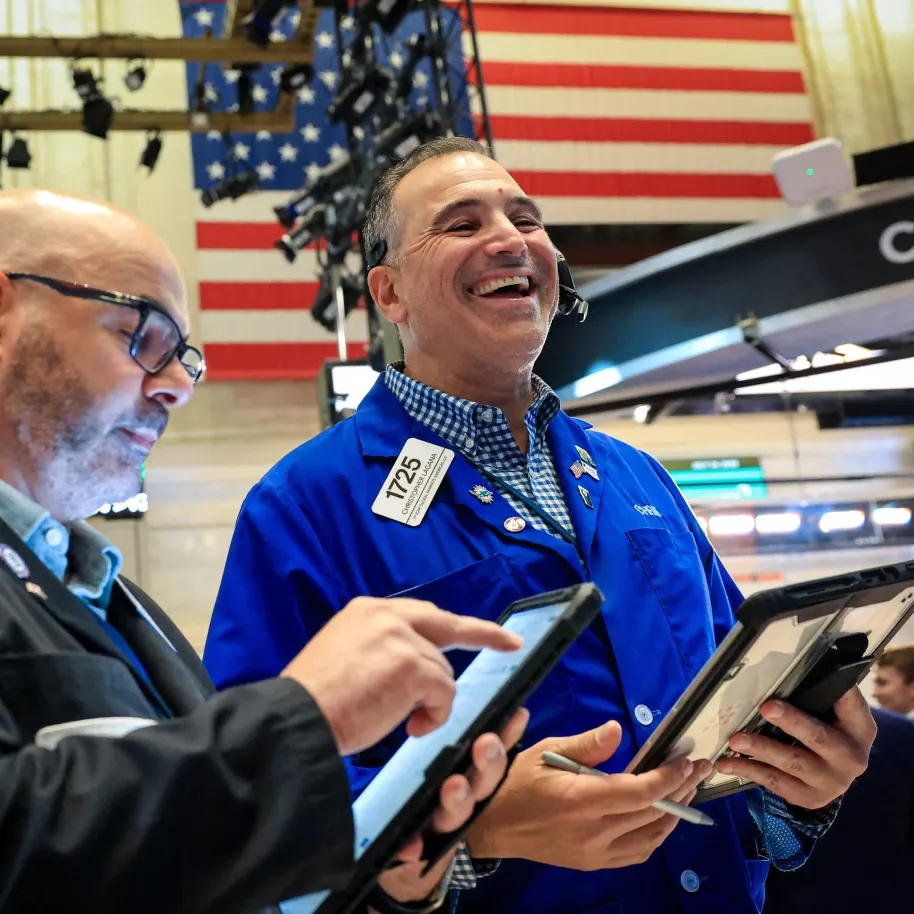
A breakdown of what moved stocks, oil and global bonds on September 1, 2026 — and the signals investors are watching next.
Stocks Open September With Broad Losses
U.S. stock markets closed lower on Tuesday, September 1, 2026, the first trading day of the month, with losses across all three major indexes. The Dow Jones Industrial Average shed 419.02 points, or 0.79%, to finish at 52,766.88, while the S&P 500 fell 0.71% and the Nasdaq Composite dropped 1.03%.
The declines marked the worst single session for the Dow and the S&P 500 since August 20. The move came as three pressures converged at once: renewed inflation worries, escalating military tensions in the Middle East, and a synchronized climb in government bond yields around the world.
The immediate trigger was a jump in energy prices after fresh military action in the Gulf region. Investors quickly extended that concern to monetary policy, questioning whether higher energy costs would shape the Federal Reserve’s interest rate decision at its upcoming meeting.
Session Snapshot: The Numbers That Defined the Day
| Market Measure | Level or Move on September 1, 2026 |
|---|---|
| Dow Jones Industrial Average | Down 419.02 points (0.79%) to 52,766.88 |
| S&P 500 | Down 0.71% |
| Nasdaq Composite | Down 1.03% |
| WTI crude futures | Up 5.2% to $90.22 per barrel |
| Brent crude futures | Up 4.6% to $94.65 per barrel |
| U.S. 10-year Treasury yield | 4.788%, highest since January 2025 |
| Japan 10-year yield | 3%, first time since August 1996 |
| U.K. 10-year Gilt yield | Highest since June 2008 |
| Euro area inflation (August) | 3.3%, per Eurostat |
| ISM Manufacturing Index (August) | 54.6 |
| Job openings | 7.27 million |
Oil Jumps After Strikes Near the Strait of Hormuz
Oil markets extended gains sharply after U.S. Central Command confirmed that American forces had begun striking targets in Iran following attempted attacks on commercial shipping in the Strait of Hormuz. West Texas Intermediate crude futures climbed 5.2% to close at $90.22 per barrel, while Brent futures added 4.6% to settle at $94.65.
The Strait of Hormuz is one of the world’s most closely watched shipping corridors, and any disruption there tends to move crude prices quickly because traders price in the risk of constrained supply rather than waiting for confirmed shortages.
Energy equities responded strongly, with sector exchange-traded funds hitting new intraday highs. Marathon Petroleum, Phillips 66 and Valero Energy each reached fresh 52-week highs during an otherwise negative session, reflecting expectations that elevated oil prices could persist.
Bond Yields Climb to Multi-Year Highs Worldwide
Government bond yields rose across major markets as traders reassessed inflation risks and the likely path of central bank policy. The U.S. 10-year Treasury note yield reached 4.788%, a level not seen since January 2025.
International debt markets moved even more dramatically. Japan’s 10-year yield touched 3% for the first time since August 1996, and U.K. 10-year Gilts climbed to their highest level since June 2008, during the Global Financial Crisis.
Euro area inflation accelerated in August to 3.3%, according to Eurostat, driven largely by higher energy costs. That reading reinforced market expectations that the European Central Bank would adjust interest rates, adding to a global backdrop of rising borrowing costs.
Why Rising Yields Weigh on Share Prices
Higher yields generally reduce the relative appeal of equities, especially growth-oriented technology companies that depend on inexpensive borrowing to fund expansion. When investors can earn a competitive return from government debt, they demand more compensation for taking equity risk.
That dynamic showed up clearly in the session’s performance gap: the technology-heavy Nasdaq fell 1.03%, more than the Dow or the S&P 500.
Mortgage rates and corporate borrowing costs also tend to move higher alongside Treasury yields, which can slow housing demand and business investment over time. The combination of geopolitical uncertainty and rising rates creates a more complex environment for long-term planning.
Fed Expectations and the Latest Economic Data
Fed funds futures pricing indicated a notable probability that the Federal Reserve might raise rates at its next meeting, though investment strategists remained divided on the timing and size of any move. Remarks from Federal Reserve leadership were widely read as hawkish, suggesting openness to tighter policy.
Manufacturing data pointed to continued expansion, with the ISM Manufacturing Index at 54.6 for August. A reading above 50 on that index generally indicates growth in factory activity.
Labor market signals were mixed. Job openings nudged higher to 7.27 million, but hiring rates fell to their lowest level since February, a pattern that suggests employers are advertising roles while being slower to fill them.
Sector Divergence: Winners Inside a Down Market
Housing and construction stocks tumbled following a drop in construction spending, one of the clearest examples of rate sensitivity in the session. Energy names moved in the opposite direction as crude prices climbed.
Semiconductors drew attention abroad. South Korea reported that semiconductor exports climbed 209% year-on-year in August, setting an all-time record driven by global demand for artificial intelligence infrastructure.
Company-specific news also cut against the trend. Apple shares rose nearly 3% on the first day under new leadership, and biotechnology firm Moderna gained after positive clinical trial updates for its joint cancer vaccine. Taken together, these moves showed that market breadth remained uneven even as headline indexes fell.
Why This Session Matters Beyond Wall Street
Days like September 1 matter because they show how quickly separate risks — energy supply, inflation, and central bank policy — can reinforce one another. Retirement accounts, education savings and pension funds are all exposed to the same repricing.
The session also illustrated a familiar pattern in market history: energy producers can outperform during supply-driven geopolitical shocks at the same time that long-duration growth stocks struggle with rising discount rates.
Diversification across sectors, regions and asset classes is the standard textbook response when multiple risk factors converge at once. That is general educational context rather than a recommendation, and individual circumstances vary widely.
What Happens Next
Federal Reserve meetings scheduled for later in September are expected to provide clarity on interest rate policy. Investors will parse official statements and incoming economic data for signals on the central bank’s direction.
Middle East developments remain fluid. Further escalation or a de-escalation could produce sharp swings, with oil prices likely to stay the most sensitive gauge of regional news.
Corporate earnings and guidance will show how companies are managing higher borrowing costs and any softening in demand. Commentary on pricing power and margin pressure will be closely watched.
Editorial Note and Disclaimer
This article reports publicly available market data and news developments for September 1, 2026. All figures reflect the values reported for that trading session and are not updated in real time.
Nothing here is investment, tax or financial advice, and no outcome is predicted or guaranteed. Readers should consult a qualified, licensed professional before making financial decisions. This publication is independent and is not affiliated with any government body, exchange or the companies mentioned.
Frequently Asked Questions
What caused the stock market drop on September 1, 2026? U.S. and global stock markets fell due to rising bond yields, escalating Middle East military tensions, and growing concerns over persistent inflation affecting monetary policy decisions.
How much did the Dow Jones Industrial Average fall? The Dow dropped 419.02 points, a 0.79% decline, closing at 52,766.88 — its worst day since August 20.
How did oil prices react to the geopolitical news? West Texas Intermediate crude futures climbed 5.2% to $90.22 per barrel and Brent crude futures added 4.6% to $94.65, driven by concerns about supply disruptions tied to Middle East tensions.
What happened to global bond yields? Yields surged worldwide. The U.S. 10-year yield reached 4.788%, Japan’s 10-year yield hit 3% for the first time since August 1996, and U.K. 10-year Gilts reached their highest level since June 2008.
Why do rising bond yields hurt stock prices? Higher yields make government debt more attractive relative to equities, particularly for growth companies that rely on cheap borrowing, so investors can secure safer returns from bonds instead.
What were expectations for central bank interest rates? Traders priced in higher probabilities of rate adjustments after euro area inflation accelerated to 3.3% in August and central bank leadership remarks were read as hawkish.
Which sectors performed well during the session? Energy stocks and select biotechnology firms posted gains, with energy sector ETFs reaching new intraday highs as oil prices climbed.
How did international technology exports fare? South Korea reported record semiconductor export growth of 209% year-on-year in August, reflecting sustained global demand for artificial intelligence infrastructure.
What do the mixed labor market signals suggest? The ISM Manufacturing Index at 54.6 indicated continued expansion, but job openings at 7.27 million alongside the lowest hiring rate since February suggest employers are becoming more cautious about filling roles.
When will investors get clarity on Fed policy? The Federal Reserve’s next scheduled meeting in September is expected to provide official guidance on interest rates and inflation management, which will likely influence market direction in the following weeks.