



A plain-language breakdown of the five proclamations, the products blocked, the 50 per cent levies, and how Ottawa is responding.
The Trump Canadian alcohol import ban announced on Sept. 8 marks the sharpest turn yet in the cross-border trade fight, blocking most Canadian booze, motorcycles and several other product lines from entering the United States as of Sept. 29. U.S. President Donald Trump signed five proclamations on Tuesday night that pair those outright bans with 50 per cent tariffs on another group of Canadian goods, hours after Canada’s retaliatory tariffs on American products took force.
For Canadian exporters, the difference between a tariff and a ban is not academic. A tariff makes a shipment more expensive; a prohibition removes the market entirely for as long as it stands. That distinction is what makes this round of measures qualitatively different from the levies that have accumulated over the past year.
Five Proclamations, Two Different Weapons
The proclamations signed Tuesday night split Canadian goods into categories. One group is barred from importation outright starting Sept. 29. A second group faces a 50 per cent tariff beginning next week, according to the announcement. A third group actually gets relief, with existing duties removed.
| Measure | Products named | Timing |
|---|---|---|
| Import ban | Alcohol, motorcycles, whey products, molasses and various other products | Effective Sept. 29 |
| 50 per cent tariff | Certain dairy products, paper and wood products, aluminum products, furniture and mattresses | Starting next week |
| Tariffs removed | Salt, toilet paper, refined lead, fishing rods | Not specified |
A senior Trump administration official, speaking to reporters on background, estimated the import ban alone would affect “single-digit billions” of dollars worth of Canadian goods. The administration has not published a company-level or province-level breakdown of that estimate.
Why the Trump Canadian Alcohol Import Ban Was Chosen Over a Tariff
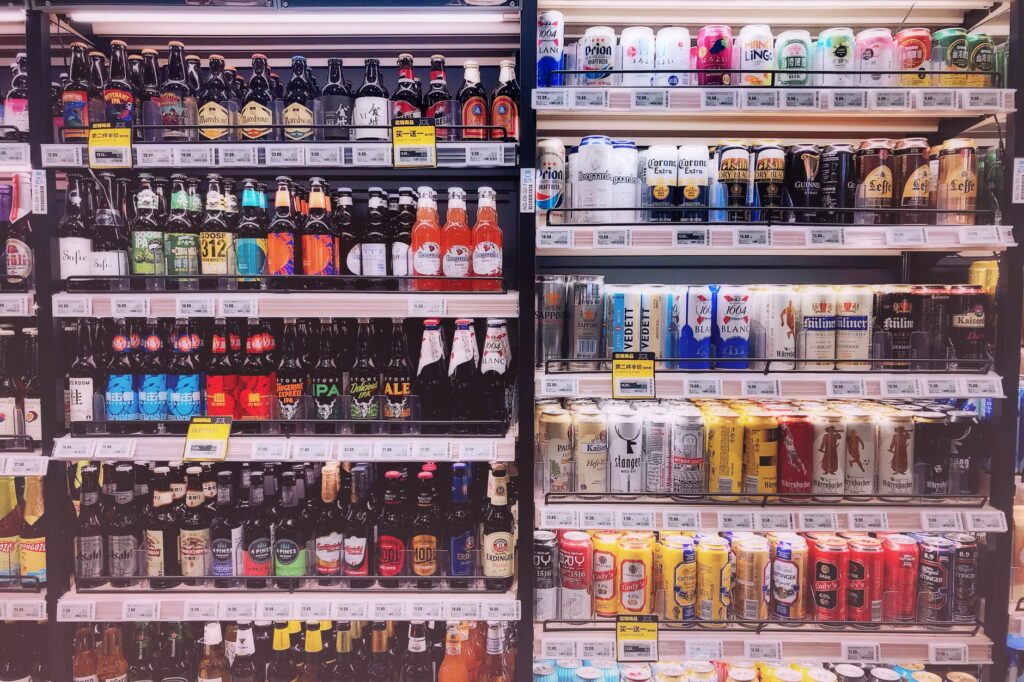
The same senior official said Washington reached for prohibitions rather than duties in part because several Canadian provinces pulled American alcohol from the shelves of provincially run liquor stores earlier in the dispute.
“These are things that we are doing in order to level the playing field, defend American production and take action against one of the only countries on the planet to retaliate against the United States,” the official said, adding: “Canada set this precedent of banning things.”
General market context: in most Canadian provinces, liquor distribution runs through a provincial board or agency that acts as the dominant wholesale buyer. A decision by those agencies to stop listing a foreign product functions much like a market closure rather than a price increase — which helps explain why the U.S. framed its own response in the same terms.
Section 338 of the Smoot-Hawley Act Is Doing the Legal Work
The bans rest on Section 338 of the U.S. Tariff Act, the Depression-era statute better known as Smoot-Hawley. The same provision was used last month to place tariffs on a broad slice of Canadian imports, layered on top of sectoral tariffs that have been in place for more than a year.
Section 338 is unusual because it contemplates outright exclusion of goods, not just duties, when a foreign country is judged to be discriminating against U.S. commerce. Our earlier explainer on the legal limits Section 338 runs into under the WTO and USMCA sets out why trade lawyers see the tool as untested in the modern treaty era.
Canadian Suppliers Pulled From U.S. Government Purchasing Schedules
Before the proclamations were signed, Trump moved on a separate front: federal procurement. In a Truth Social post on Tuesday afternoon, he said he was directing the General Services Administration — the independent agency that runs U.S. federal government purchasing — to strip Canadian-origin products from its multiple award schedules.
The practical reach of that step looks narrower than the headline suggests. The GSA’s preferential purchase program covers roughly US$50 billion in procurement each year, but only 58 Canadian companies held contracts through the program in 2024-25, the most recent fiscal year for which details are available, based on GSA database records.
For those firms the loss is direct. For the wider Canadian export economy, the procurement move reads more as a signal of intent than a large financial blow.
Ottawa’s Response: LeBlanc Calls the Measures “Unjustified”
Canada-U.S. Trade Minister Dominic LeBlanc said on social media Tuesday night that the government was still assessing the proclamations. “Our first priority remains on protecting and supporting Canadian workers, farmers, families, and businesses from these unjustified actions,” he wrote.
LeBlanc said he remains in contact with U.S. Trade Representative Jamieson Greer, and left the door open to talks: “When the U.S. is ready to engage, our government will work in good faith and constructively towards a more secure mutually beneficial trading relationship that fully respects Canadian sovereignty.”
The U.S. measures landed the same day Canada’s own retaliatory tariffs came into force. Those counter-tariffs, promised after negotiations collapsed last month, apply to a long list of American goods; the scale and composition of that list is covered in our report on the C$27.6-billion package of Canadian counter-tariffs on U.S. imports.
Carney Tells Canadians the Pivot “Will Come at a Cost”
Prime Minister Mark Carney released a video Tuesday morning, part of a longer 15-minute explanatory address, preparing Canadians for economic pain as the country reduces its dependence on the American market.
“We have everything we need to pivot and prosper,” Carney said. “That pivot will come at a cost. There’s always a cost to action. But it doesn’t come close to the cost of standing still.” In the video he said U.S. negotiators wanted Canada “to become even more reliant on them, not less.”
Canadian and American teams had been working toward an agreement that would have delivered tariff relief in key sectors. Carney’s government walked away, describing what was on offer as “uneconomic.” The alternative strategy — deeper trade ties elsewhere — is visible in Ottawa’s European outreach, including the EU-Canada partnership taking shape ahead of Carney’s Strasbourg speech.
Kirsten Hillman, Canada’s former ambassador to the United States under both Trump administrations, told CBC’s Power & Politics that she was “struck” by how untenable the proposed trade deal had become — a reading that lines up with the government’s decision to abandon it.
Does the Sept. 29 Start Date Leave Room to Negotiate?
The three-week gap between the signing of the proclamations and the day the bans bite has drawn attention as a possible negotiating window. Former U.S. trade official Ryan Majerus raised exactly that question in broadcast analysis of the announcement, noting the deadline structure could create space for talks before the prohibitions take effect.
Nothing in the announcement commits either side to resuming discussions, and neither government has scheduled a formal round of talks. What is fixed for now is the calendar: the 50 per cent tariffs arrive first, next week, and the import bans follow on Sept. 29.
Who Feels This First in Canada
The exposure is concentrated rather than universal, and it falls on producers who sell finished consumer goods into the U.S.
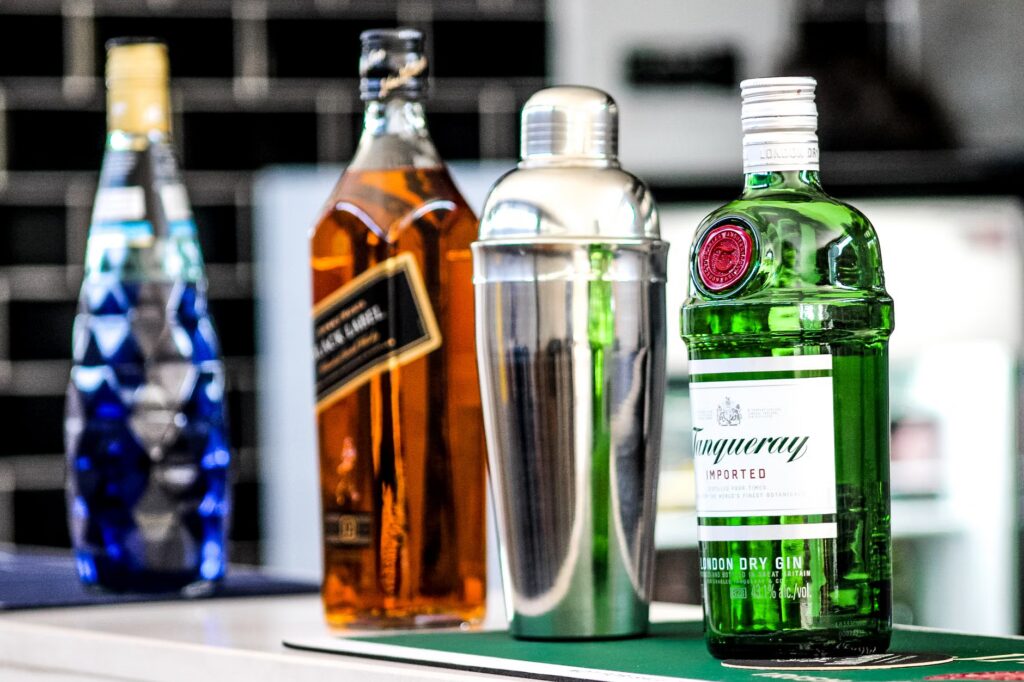
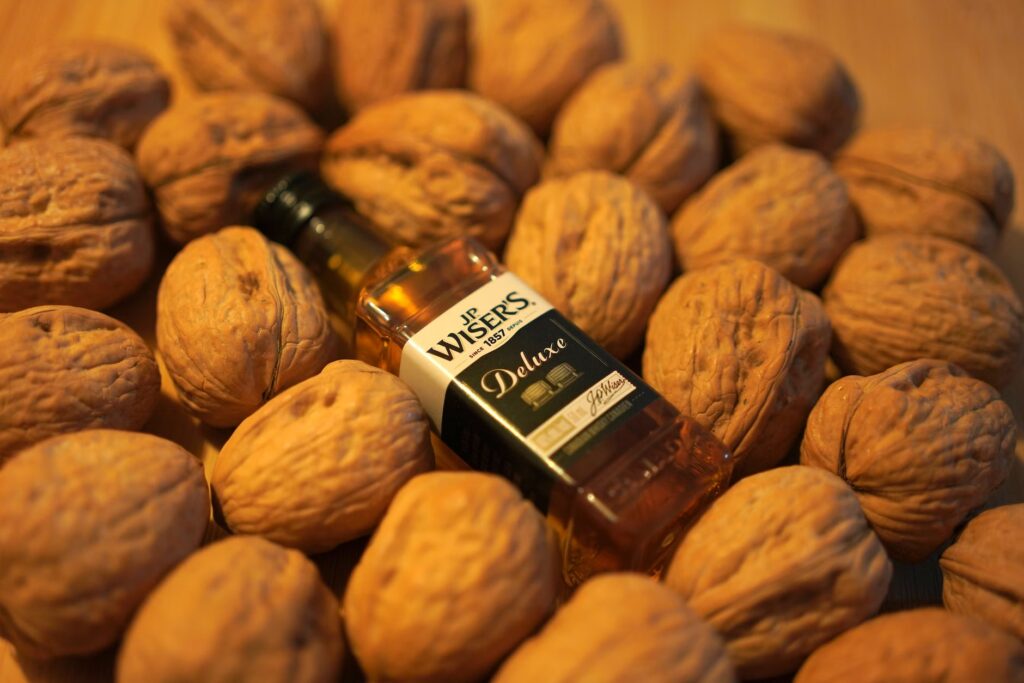
- Distillers, brewers and wineries: most Canadian alcohol shipments to the U.S. are covered by the ban, removing a market rather than repricing it.
- Motorcycle manufacturers and parts exporters: named directly in the prohibition list.
- Dairy processors and whey producers: whey products fall under the ban, while certain dairy goods face the 50 per cent levy.
- Forestry, paper and aluminum: already exposed to earlier sectoral tariffs, now facing an additional 50 per cent rate.
- Furniture and mattress makers: newly added to the 50 per cent tariff list.
Firms in the smaller relief categories — salt, toilet paper, refined lead and fishing rods — see duties come off, though the announcement did not specify when that takes effect.
Frequently Asked Questions
When does the import ban actually start?
The prohibitions on Canadian alcohol, motorcycles, whey products, molasses and other listed goods take effect Sept. 29. The separate 50 per cent tariffs begin next week, according to the announcement.
Is all Canadian alcohol covered?
The measures cover most Canadian alcohol. A full product-line schedule beyond the categories named in the proclamations was not specified.
How much Canadian trade is affected?
A senior U.S. administration official estimated the import ban would hit “single-digit billions” of dollars in Canadian goods. No official Canadian estimate has been released.
What legal authority is being used?
Section 338 of the U.S. Tariff Act, also known as the Smoot-Hawley Act — the same section used last month to tariff a range of Canadian imports on top of existing sectoral duties.
Has Canada announced a further response?
Not yet. Minister Dominic LeBlanc said the government is assessing the U.S. proclamations and remains in contact with the U.S. Trade Representative.


