


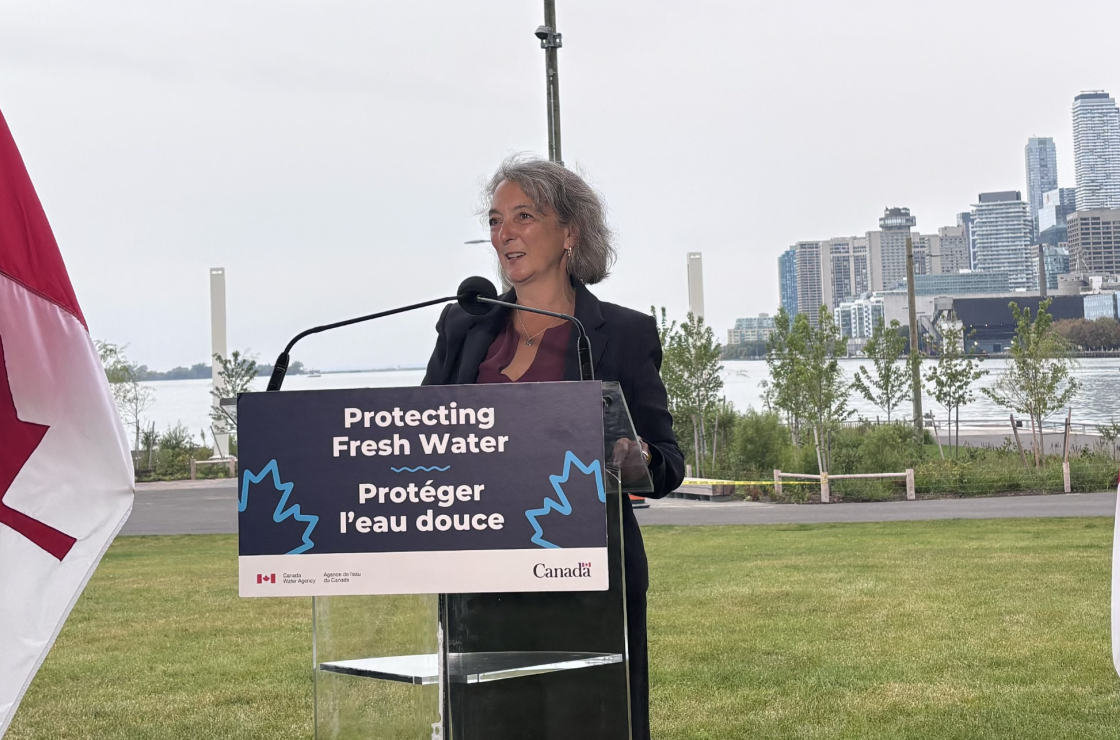
A pre-dawn set of amendments has pulled in-situ oilsands projects, gas power plants and pipelines out of federal environmental review — here is what changed, who decides now, and why the timing is being questioned.
An oilsands impact assessment exemption took effect in the early hours of Wednesday, September 10, 2026, after the federal government passed a package of amendments to Canada’s impact assessment framework. The changes strike in-situ (underground) oilsands facilities and gas-fired power plants from the list of projects that must be evaluated by the federal impact assessment agency, and shift responsibility for reviewing interprovincial and international pipelines to the Canada Energy Regulator.
The amendments were not announced with a news conference. Environmental Defence flagged the changes in a press release shortly after they were made, and the federal government followed later in the day with a statement confirming them. The result is one of the most consequential shifts in federal environmental oversight in years, arriving in the same week Ottawa quietly published a climate assessment warning of five to ten degrees of warming by 2100 in the absence of emissions cuts.
What Came Off the Federal Project List
Two categories of energy infrastructure were removed outright from the federal project list, the schedule that determines which developments automatically trigger a federal impact review:
- In-situ oilsands facilities: underground extraction operations, which make up a growing share of oilsands production in Alberta, no longer require an evaluation by the federal impact assessment agency.
- Gas-fired power plants: new natural gas generation, the technology at the centre of Alberta’s push to power data centres, is also off the list.
In practical terms, the federal government has stopped assessing in advance whether these two project types will affect rivers and lakes, air quality, or species already at risk of extinction. That analytical step now falls to provincial regulators, or does not happen at all.
Pipelines Shift From the Impact Assessment Agency to the Canada Energy Regulator
The third significant change is jurisdictional rather than a straight deletion. Reviews of interprovincial and international pipelines have been taken from the independent impact assessment agency and assigned to the Canada Energy Regulator, whose leadership team is appointed by the federal government. The regulator is mandated to operate independently of political influence.
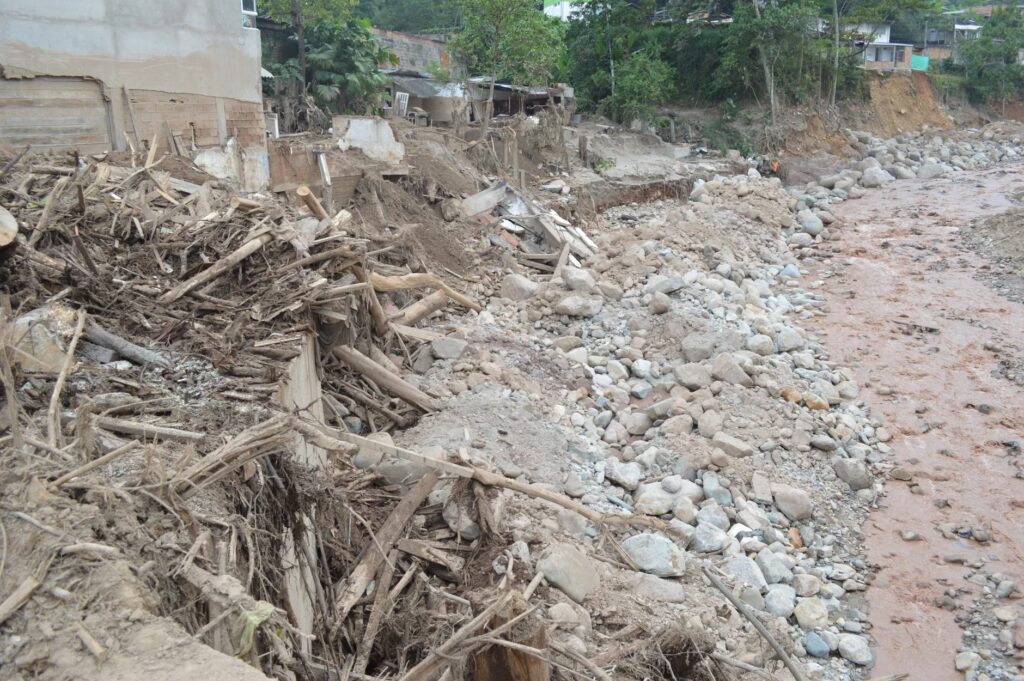
Critics argue the two bodies are not interchangeable. The impact assessment agency convenes independent review panels of experts drawn from outside government, and ministers rely on those panel findings when deciding whether to approve a project. Julia Levin, associate director of national climate at Environmental Defence, said the energy regulator “does none of that” and does not carry staff with the same breadth of scientific expertise. She called the government’s framing of the two bodies as equivalent “very misleading.”
Why Provincial Governments Now Hold the Deciding Vote
Going forward, provinces will determine which projects need an environmental assessment. Many provinces already held that responsibility through existing agreements with Ottawa, so the day-to-day mechanics will look familiar in several jurisdictions.
The structural change is what the amendments remove for the future: the ability of a subsequent federal government to challenge a provincial decision on which projects get assessed. That locks in provincial discretion beyond the current Parliament, which is why the amendments matter well past the immediate list of exempted project types.
Ottawa’s Argument: Speed, Predictability and Investment
Tim Hodgson, Canada’s Minister of Energy and Natural Resources, framed the amendments as a competitiveness measure. “Canada has what the world wants, and we need to get those products to domestic and international markets faster,” he said in the government’s afternoon statement, adding that the changes “will create a more efficient and predictable regulatory system for major projects.” The statement said the amendments will help attract and catalyze investment in the country.

The changes align with Prime Minister Mark Carney’s nation-building agenda, which has placed large infrastructure and natural resource projects at its centre. That agenda includes Carney’s pledge to help Alberta build a pipeline to Vancouver and his government’s support for Premier Danielle Smith’s drive to build gas-powered data centres in Alberta. It is the same industrial-policy instinct visible in other files, from trade diplomacy ahead of Carney’s Strasbourg speech on the EU-Canada partnership to the $4.7-billion VIA Rail investment bringing passenger car manufacturing back to Canada.
Environmental Defence: ‘A Huge Abdication of Responsibility’
Environmental groups reacted sharply. “These really contentious plans will give free rein to large polluters, put nature and species at risk, limit public participation and keep Canadians in the dark about the impacts to their health and safety,” Levin said, describing the move as “a huge abdication of responsibility from the feds.”
Her broader objection is about what disappears from the public record. Federal assessments generate published expert findings and formal opportunities for public participation. Where a project is no longer on the federal list, that documentation and that participation window do not automatically exist.
Alberta’s Recent Exemptions: Wonder Valley and Suncor’s Tailings Water
The practical stakes are clearest in Alberta, where provincial regulators have routinely exempted major industrial projects. Two recent decisions are being cited as precedent for what federal withdrawal may look like on the ground.
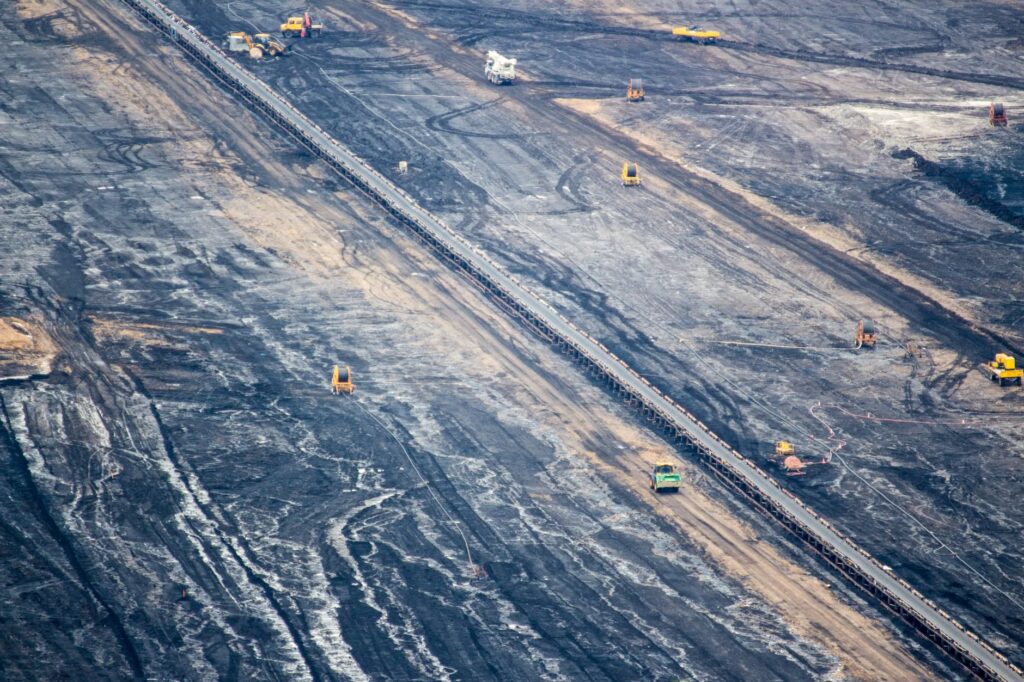
- Wonder Valley: in the past year, Alberta exempted Kevin O’Leary’s proposed $70-billion Wonder Valley AI data centre project near Grande Prairie from an environmental impact assessment.
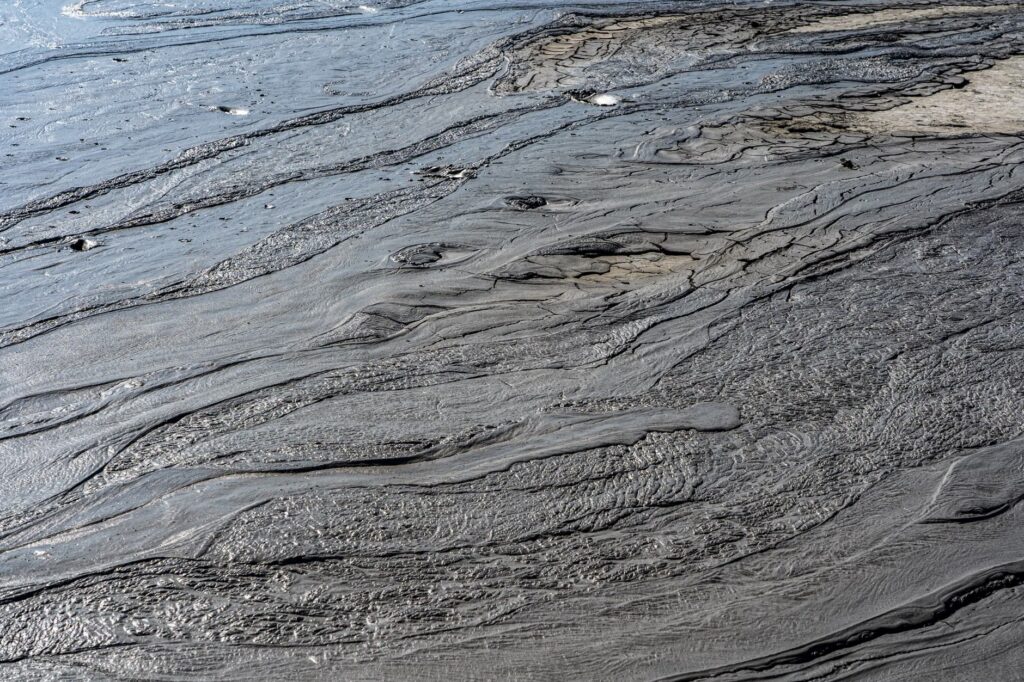
- Suncor tailings water: this summer, the provincial energy regulator told Suncor it would not need an environmental assessment before releasing up to 12 million cubic metres of treated oilsands tailings water into the Athabasca River.
With gas-fired generation off the federal list, the power plants that would supply Alberta’s proposed data centre campuses also fall outside federal review, compounding the effect for that particular class of project.
Sturgeon Lake Cree Nation on Treaty Rights and Data Centre Reviews
Chief Sheldon Sunshine of the Sturgeon Lake Cree Nation, whose traditional territory encompasses the proposed Wonder Valley site, said the amendments “neuter Canada’s environmental protection framework and effectively remove the possibility of meaningful environmental assessment of any future data centres constructed in Alberta.”
The nation, he said, “unequivocally condemns this latest attempt by the Carney and UCP governments to pander to American oligarchs and tech billionaires at the expense of our treaty rights and the interests of ordinary Albertans.” The objection connects two threads that will likely define the next phase of this debate: consultation obligations with rights-holding nations, and the speed at which AI-driven power demand is reshaping project pipelines in Western Canada.
The Climate Assessment Released Days Before the Amendments
The timing has drawn its own criticism. The amendments came days after the government discreetly released its most recent climate assessment, which found Canada could be between five and ten degrees warmer by 2100 if emissions are not reduced. That level of warming would drive more destructive wildfires, droughts, floods and other extreme weather than the events that have hit Canadian communities in recent years — the kind of damage seen in episodes such as the Cape Breton flooding that closed 54 roads and left one person dead.
Environment Minister Julie Dabrusin defended the low-profile release of the report on Wednesday, saying it “was not a political exercise.” Levin drew a direct line between the two events: to say “we’re not going to actually look at the impacts of the most polluting projects in this country going forwards, is so deeply irresponsible,” she said.
The Questions Ottawa Has Not Yet Answered
Several material questions remain open. Journalists asked Environment and Climate Change Canada whether the Canada Energy Regulator will evaluate the greenhouse gas impacts of pipelines and power lines, whether the regulator is equipped to absorb the impact assessment agency’s former responsibilities, and why Canadians should trust a politically appointed body to conduct credible assessments.
No response was received by deadline, though a ministry spokesperson noted that some of the questions “are best answered by other agencies.” Until those answers arrive, the scope of what the energy regulator will and will not examine on pipeline files is unresolved.
What Proponents and Investors Should Watch
For companies planning major projects, the amendments change the map of regulatory risk rather than eliminating it. Timelines at the federal stage may shorten, but the points of friction shift elsewhere.
- Provincial process becomes the main gate: where a project sits will now largely determine how much environmental review it faces, and how much of that review is public.
- Consultation and litigation risk persists: objections framed around treaty rights, as voiced by Sturgeon Lake Cree Nation, do not disappear because a federal listing does.
- Regulator capacity is the open variable: whether the Canada Energy Regulator builds out the scientific expertise critics say it lacks will shape how durable pipeline approvals prove to be.
- Reputational and financing scrutiny continues: lenders, insurers and international buyers apply their own environmental due diligence regardless of the federal project list.
Frequently Asked Questions
Which projects no longer require a federal impact assessment?
In-situ (underground) oilsands facilities and gas-fired power plants have been removed from the federal project list, so they no longer trigger an evaluation by Canada’s impact assessment agency.
Who now reviews interprovincial and international pipelines?
The Canada Energy Regulator, whose leadership team is government-appointed but which is mandated to operate independently of political influence. The independent impact assessment agency has lost that role.
Does this mean no environmental review at all for these projects?
Not necessarily. Provinces will decide which projects require assessment. The federal amendments also remove the ability of future federal governments to challenge those provincial decisions.
How does this affect proposed AI data centres in Alberta?
Alberta has already exempted the proposed $70-billion Wonder Valley project near Grande Prairie from an environmental impact assessment, and with gas-fired power plants now off the federal list, the generation supplying such campuses also falls outside federal review.
Will the Canada Energy Regulator assess greenhouse gas emissions from pipelines and power lines?
Not specified. Environment and Climate Change Canada did not answer that question by deadline, noting some queries are better directed to other agencies.