


How Kansas lobbying, a new investment pledge and thousands of American jobs reversed a threat against Canada's best-known jet maker, and what the reversal leaves unsettled in the wider Canada-U.S. trade dispute.
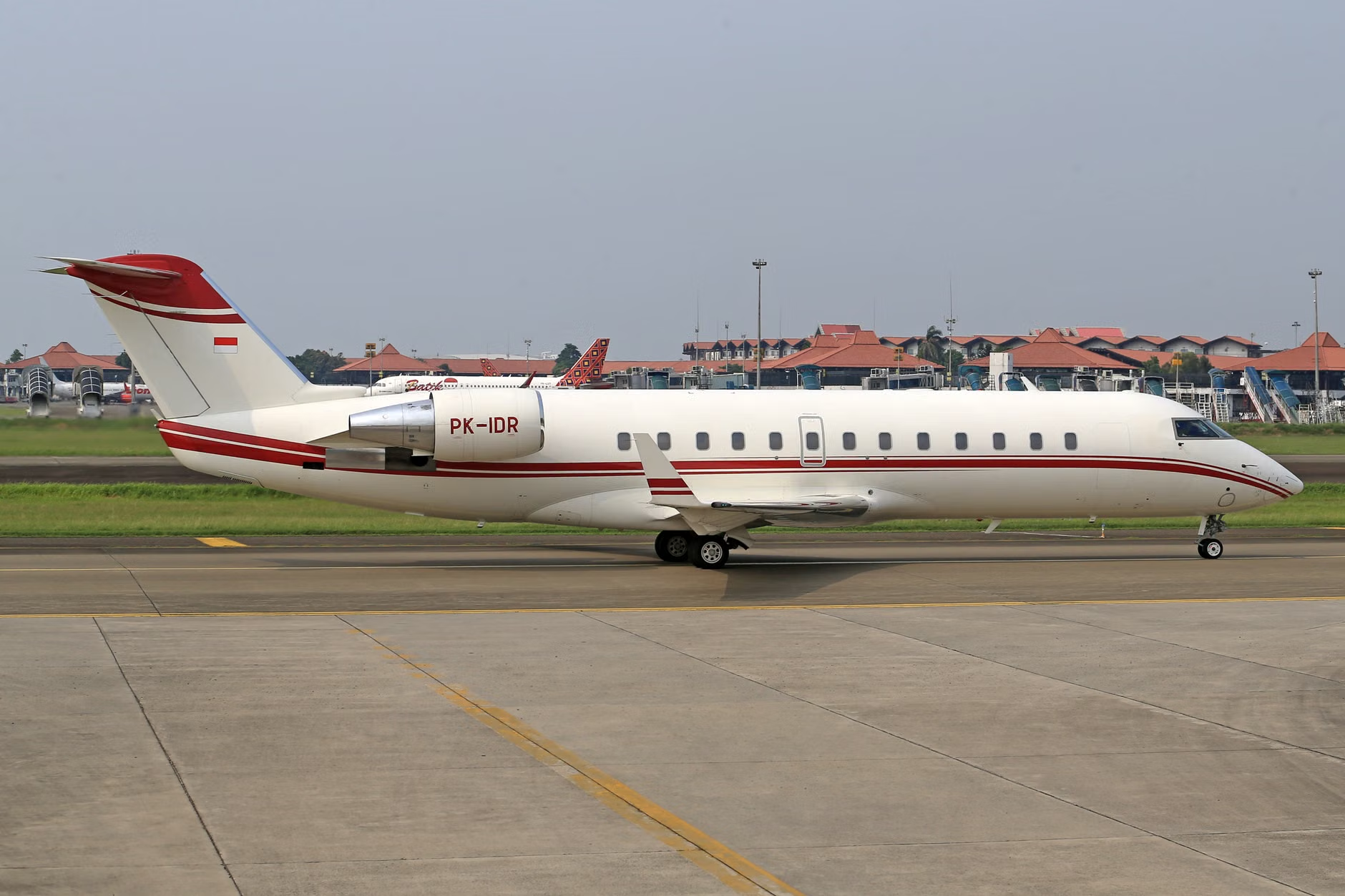
Bombardier is no longer facing a threatened ban from the U.S. market. U.S. President Donald Trump dropped the warning he issued against the Quebec-based jet maker in September, saying during remarks in Kansas that he intends to help the company and protect the jobs it supports there. The reversal, reported on October 20, 2026, came after pressure from Kansas lawmakers. It ends, for now, one of the sharpest company-specific flashpoints in the Canada-U.S. trade dispute.
Investors responded quickly. Bombardier shares rose 4% after the president’s comments, a sign of how heavily the September threat had weighed on one of Canada’s most recognizable industrial brands.
From September Ban Threat to a Promise of Help in Kansas
The turnaround is notable for its speed. About a month earlier, Trump had threatened to shut Bombardier out of the U.S. market altogether. For a company that builds business jets and depends heavily on American buyers and American operations, that was a serious warning.
The available reporting does not set out the specific grounds Trump gave for the September threat. It also does not say whether any formal measure was drafted to carry it out. What it does show is the new position: the president told a Kansas audience he does not plan to hurt the company and wants to safeguard its local workforce.
Choosing Kansas as the place to make that statement mattered. The state is home to Bombardier’s largest U.S. footprint, and the remarks put the debate in terms of American paycheques rather than a Canadian competitor.
Why Bombardier’s 1,500 Wichita Jobs Changed the Equation
Bombardier employs about 1,500 people in Wichita, Kansas, and roughly 3,500 across the United States. Those numbers sat at the centre of the president’s change of position. A ban aimed at a Canadian manufacturer would have landed directly on American workers.
Wichita has long called itself an aviation capital. Aircraft manufacturing and services are woven into its economy and its identity. Bombardier’s presence there draws on the city’s aviation history and its supply base of skilled workers, parts makers and service providers.
The episode shows how complicated cross-border manufacturing has become. A company headquartered in Quebec can also be a major U.S. employer. Measures meant to pressure a foreign firm can create political costs at home, especially in states whose representatives are allied with the White House.
Senator Roger Marshall and Kansas Lawmakers Pressed the White House
The reversal followed lobbying by Kansas lawmakers, including Republican Senator Roger Marshall, who pressed the White House over the threat. The available reporting does not describe the private discussions in detail. Still, the order of events is clear: lawmakers raised concerns, and the president then softened his stance in their state.
The pattern is worth noting for Canadian companies with U.S. operations. When a Canadian firm employs large numbers of Americans in a particular state, that state’s elected officials can become its strongest advocates in Washington, whatever their party. In this case, a Republican senator’s intervention appears to have counted with a Republican president.
A $50 Million Bombardier Investment in Wichita and a Fort Wayne Facility
The week before Trump’s remarks, Bombardier announced two U.S. commitments:
- Wichita investment: A $50 million investment in its Wichita operations.
- Fort Wayne plans: Plans for a facility in Fort Wayne, Indiana.
The reporting does not specify the timeline for either project, the number of jobs the Fort Wayne site could add, or what work it will handle. Those details were not mentioned and should be treated as unconfirmed until the company releases more information.
The timing will draw attention. Announcing fresh U.S. investment shortly before a political reversal fits a familiar playbook for foreign companies facing trade pressure: show local commitment and give allies something concrete to point to. The reporting does not establish that the investment caused the change in tone, but the two developments arrived close together.
What a 4% Rise in Bombardier Shares Tells Investors
The 4% gain in Bombardier’s share price after Trump’s comments suggests investors had priced in real risk from the September threat. For a manufacturer whose customers include many U.S. buyers, losing access to that market would have been a major blow.
For readers following Canadian markets, the jump is a reminder of how much political headline risk now shapes trading in cross-border industrial stocks. A single speech moved the stock. That also means the gain could fade if the policy direction shifts again.
Note: Share-price movements are reported here for news purposes only and are not investment advice.
The $20 Billion Tariff Fight Behind the Bombardier Reversal
The Bombardier story is part of a much larger dispute between Ottawa and Washington. The United States has imposed tariffs on roughly $20 billion of Canadian goods, and Canada has answered with retaliatory tariffs of its own. Trump’s softer tone toward one Quebec company does not change that broader standoff.
The tensions have reached well beyond aerospace. Cross-border travel has also weakened, a trend Canadian carriers are trying to work around as the Air Canada and United joint venture eyes ten new routes despite the cross-border travel slump. Bombardier’s experience adds an industrial example to a list of sectors under strain.
What the reversal does show is that the U.S. administration is not applying pressure evenly. Where American jobs are directly at stake, a targeted threat can be withdrawn quickly. Whether that flexibility extends to the wider tariff schedule is an open question that the available reporting does not answer.
Lessons for Canadian Manufacturers With U.S. Operations
The following points are general business context drawn from how this episode unfolded. They are not a statement of any company’s strategy.
- Local jobs carry weight: Bombardier’s 3,500 U.S. employees gave Washington a domestic reason to step back. Firms with deep U.S. payrolls have leverage that pure exporters lack.
- State-level allies matter: Kansas lawmakers, led in part by Senator Marshall, made the case for Bombardier to the White House more directly than Ottawa could have.
- Visible investment sends a signal: New spending, such as the Wichita commitment and the planned Fort Wayne facility, gives political supporters tangible evidence of a company’s U.S. stake.
- Reprieves are not guarantees: Removing a company-specific threat leaves the broader tariff regime in place, and policy can change again.
Canadian manufacturing has also been building capacity at home. Projects such as the Hitachi Energy plant in London, Ontario, set to make Canada’s first transformer pressboard show how industrial investment decisions are increasingly shaped by supply-chain security and trade uncertainty on both sides of the border.
Bombardier’s Place in Canada’s Aerospace Brand Story
Few Canadian companies carry Bombardier’s international brand recognition. Founded and headquartered in Quebec, it has become shorthand for Canadian engineering in aviation. That profile helps explain why a threat against it drew wide attention, and why its reversal matters beyond one company’s balance sheet.
For Canada, Bombardier is both a major employer at home and a test of whether national champions can operate smoothly in an era of tariff politics. The company’s ability to defuse a direct presidential threat through its American footprint will likely be studied by other Canadian exporters weighing their own U.S. expansion plans.
The broader geopolitical climate offers little sign of calm. Trade pressure has become one tool among many in a crowded international agenda, as covered in our look at how war, diplomacy and great-power rivalry are setting the global agenda.
Frequently Asked Questions
What did Trump threaten to do to Bombardier?
In September, he threatened to ban the Quebec-based jet maker from the U.S. market. He has since dropped that threat.
How many people does Bombardier employ in the United States?
About 1,500 in Wichita, Kansas, and roughly 3,500 across the United States.
What new U.S. investments has Bombardier announced?
A $50 million investment in Wichita and plans for a facility in Fort Wayne, Indiana. Timelines and job figures for these projects were not specified.
Does the reversal end the Canada-U.S. tariff dispute?
No. U.S. tariffs on about $20 billion of Canadian goods and Canada’s retaliatory tariffs remain part of the wider dispute.


