



A $479-million factory in London's Huron Industrial Park aims to end Canada's reliance on European imports for a key grid component, backed by $50 million in public money.
Hitachi Energy will spend $479 million on a new factory in London, Ontario, that will produce transformer pressboard, an insulation material that is not currently made anywhere in Canada. The Hitachi Energy London Ontario project was announced on October 16, 2026. Ottawa and the Ontario government are contributing a combined $50 million.
The plant will be built in the city’s Huron Industrial Park and is expected to be completed by 2028. It is projected to create more than 100 permanent skilled jobs. The company says it is investing because demand for electricity is climbing, driven by data centres, renewable energy and industrial growth. At the moment, Canadian transformer makers import this insulation from Europe.
For a country trying to expand its power grid quickly, the announcement goes beyond a single factory. It is an attempt to fix a weak link in the supply chain behind every new substation, transmission line and large industrial connection.
Inside the London Transformer Insulation Factory
The 21,000-square-metre facility will make electrical insulation pressboard and laminates, the layered materials used inside transformers. It will house Canada’s first pressboard manufacturing line. It will also be Hitachi Energy’s first such line anywhere in the Americas, which brings production of the material much closer to North American transformer makers.
Hitachi Energy is a wholly owned subsidiary of Japan’s Hitachi, Ltd. The company says the investment of more than US$330 million will go into its North American insulation and components business. The London site is intended to work alongside the company’s existing insulation operations in other countries, adding a further source of supply for transformer manufacturers worldwide.
| Project detail | What has been announced |
|---|---|
| Total investment | $479 million CAD (more than $330 million USD) |
| Location | Huron Industrial Park, London, Ontario |
| Facility size | 21,000 square metres |
| Products | Electrical insulation pressboard and laminates for transformers |
| Expected completion | By 2028 |
| Jobs | More than 100 permanent skilled positions |
| Public support | $50 million combined from federal and Ontario sources |
| Construction start date | Not specified |
Why Pressboard Is a Bottleneck for Transformer Makers
Pressboard rarely gets attention outside the power industry, but transformers cannot work without it. The material insulates the electrical components inside a transformer and helps the unit manage heat during cooling. Because it allows transformers to be compact, safe and cost-effective, its quality and consistency have a strong effect on how long a transformer lasts and how reliably it runs.
That makes supply a practical issue. Hitachi Energy says transformer manufacturers continue to face global supply constraints, including limited access to the specialized insulation materials they need. Helmut Bockshammer, who leads the company’s global insulation and components product group within its transformers business, described the shortage as one of the most critical bottlenecks in transformer manufacturing. He said the London factory is meant to make supply more resilient as demand rises.
General industry context: Utilities across North America have reported long waits for large transformers in recent years. Shortages of components and raw materials are one reason grid projects can stall even after they are funded and approved.
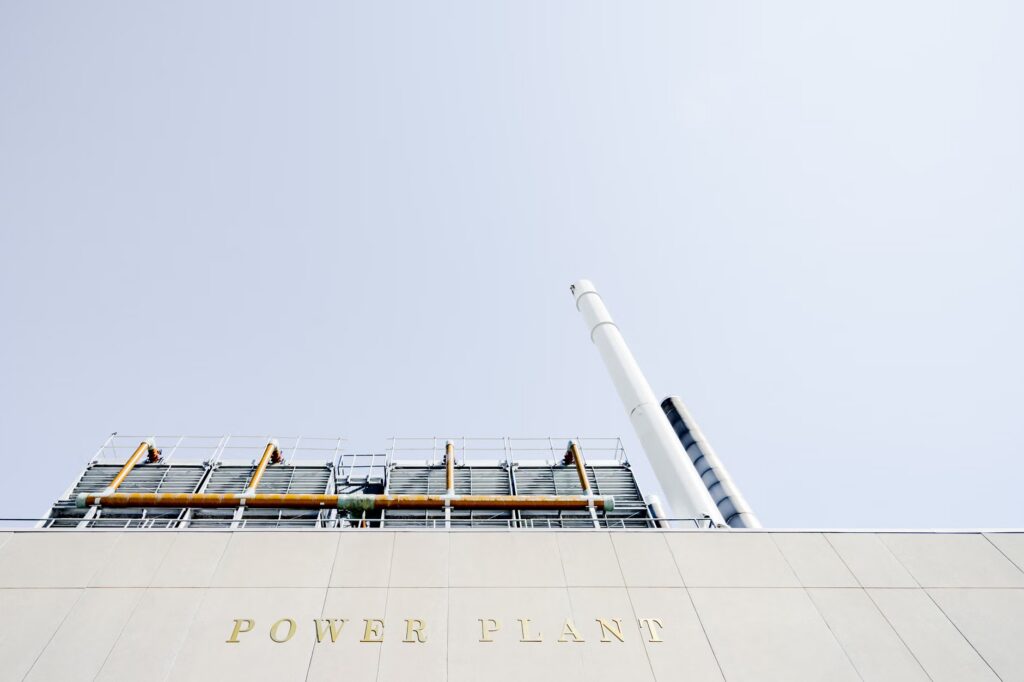
The $50 Million in Public Support for the Hitachi Energy London Ontario Plant
The public funding comes from three sources:
- Strategic Response Fund: $20 million from the Government of Canada.
- Natural Resources Canada: an additional $10 million provided to Hitachi Energy Canada Inc.
- Invest Ontario Fund: up to $20 million from the Government of Ontario.
Together, these contributions cover a little over a tenth of the project’s total cost. The rest comes from Hitachi Energy. The announcement does not say whether any of the money is repayable or tied to specific job or production targets. Readers following how public subsidies for industry are structured should note that those terms were not specified.
Data Centres, Electrification and a Grid Meant to Double by 2050
The investment is closely tied to Canada’s electricity outlook. Industrial projects, AI and data centres, growing communities and the electrification of transport and buildings are all adding load to the power system. Meeting that demand means building new generation and transmission, and it also means having the domestic factories and supply chains to produce the equipment.
Canada’s National Electricity Strategy sets a goal of doubling the capacity of the country’s grid by 2050. Carla Vicente, Hitachi Energy Canada’s managing country director, linked the London plant directly to that goal. She argued that growth on that scale requires a stronger domestic supply chain, and that local production of a critical transformer component helps provide it.
For general readers, the point is simple. Every new data centre, battery plant or electrified bus depot needs transformers to connect to the grid. If those transformers depend on materials shipped from overseas, any disruption abroad can delay projects at home.
What Ottawa and Queen’s Park Say the Deal Delivers
Federal and provincial ministers each described the project’s benefits in their own terms:
- Industry Minister Mélanie Joly said the federal investment supports a more connected and reliable grid, creates well-paying jobs and strengthens Canada’s economic security. She presented it as an early result of the National Electricity Strategy.
- Energy and Natural Resources Minister Tim Hodgson focused on forestry. He said the project shows how Canadian forest products such as pulp can be put to high-value use in energy infrastructure. He also tied it to both the Forest Sector Strategy for Canada and the National Electricity Strategy.
- Ontario Economic Development Minister Vic Fedeli said the province wants to give global companies the confidence to expand despite economic uncertainty. He said the plant will bring high-value jobs to local workers and strengthen Ontario’s role in advanced manufacturing.
Hodgson’s comments point to a less obvious part of the story. Pressboard draws on pulp, so the plant could create a new domestic market for a forest sector looking for higher-value outlets for its products.

A Bigger North American Bet: Varennes, Canduct and US$2 Billion
The London facility is one part of a larger plan. Hitachi Energy has committed to invest more than US$2 billion through 2027 to strengthen its North American supply chain, and Canada has received a significant share of that spending.
- Canduct acquisition: The company has already bought London-based Canduct, which makes transformer insulation kits and components. The new factory adds pressboard production to a city where Hitachi Energy already operates in the insulation business.
- Varennes expansion: In Quebec, the company is putting $270 million into its Varennes operations to nearly triple production capacity for large power transformers.
Taken together, these moves link several stages of production. Ontario will supply insulation materials and components, and Quebec will build the large transformers that use them. Globally, Hitachi Energy says it employs more than 56,000 people in 60 countries and has annual revenues of around US$20 billion.
Open Questions Before the 2028 Opening
Several practical details were not included in the announcement. These are worth watching as the project moves forward:
- Construction timeline: A groundbreaking date and construction milestones were not mentioned.
- Hiring: The specific roles, pay ranges and recruitment timing for the 100-plus permanent jobs were not specified.
- Output: Annual production volumes, and how much of the plant’s output will serve Canadian buyers rather than export markets, were not disclosed.
- Pulp sourcing: Which Canadian forest product suppliers will provide raw material was not stated.
How these questions are answered will show how much of the project’s economic and supply-chain benefit stays in Canada.
Frequently Asked Questions
Where will the new Hitachi Energy factory be built?
In the Huron Industrial Park in London, Ontario.
When is the plant expected to be finished?
Hitachi Energy expects the facility to be completed by 2028.
How many jobs will it create?
More than 100 permanent skilled jobs. Specific roles have not been announced.
Where does Canada get transformer pressboard now?
It is currently imported from Europe. The London plant will be the first in Canada to make it.


