


Inside the Carney–Zelenskyy agreement in Calgary, what it signals for Canada's defence manufacturing base, and the key terms that have not yet been made public.
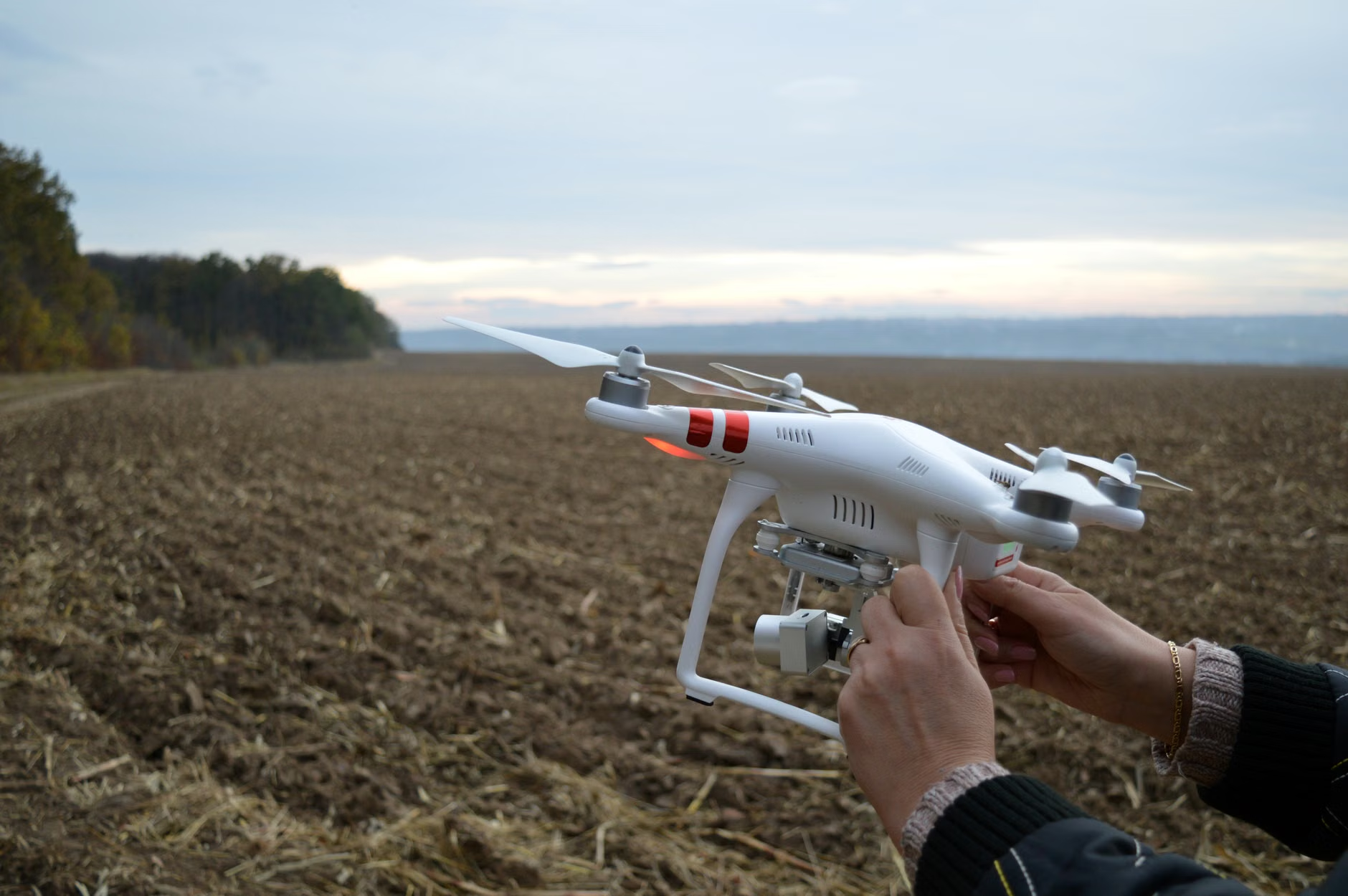
Canada Ukraine drone production cooperation moved from talking point to signed commitment on September 10, 2026, when Prime Minister Mark Carney and Ukrainian President Volodymyr Zelenskyy appeared together in Calgary for a signing ceremony and joint media availability. The two leaders announced that the countries will work together to scale up the manufacture of drones while strengthening Canada’s own defence industrial base.
The framing matters as much as the substance. Rather than presenting the arrangement purely as wartime assistance, the leaders tied Canadian support for Ukraine’s war effort directly to a domestic objective: building strategic autonomy in Canadian defence manufacturing. In other words, Ottawa is positioning help for Kyiv and industrial policy at home as the same project.
Why the Carney–Zelenskyy Signing Happened in Calgary
Holding the ceremony in Calgary rather than Ottawa is a deliberate signal. Alberta’s largest city is a centre of engineering talent, energy-sector supply chains, and advanced manufacturing capacity — the kind of industrial base that a drone production push would need to draw on.
It also places a foreign-policy announcement squarely in Western Canada, where federal economic commitments are closely scrutinised. Carney’s government has repeatedly used Alberta as a backdrop for agenda-setting moments, including the cabinet planning forum in Banff that shaped the government’s fall priorities.
For a visiting head of state whose country is at war, the choice of venue carries an additional message: the partnership is being pitched to Canadian workers and manufacturers, not only to diplomats.
What the Two Leaders Actually Announced
Based on the announcement itself, the commitments break down into three connected strands:
- Scaling up drone production: Canada and Ukraine will cooperate to increase the output of drones, drawing on Ukraine’s battlefield-tested know-how and Canadian industrial capacity.
- Building up Canada’s defence industries: The arrangement is explicitly intended to strengthen the domestic defence industrial base rather than simply route equipment abroad.
- Supporting a just and lasting peace: The stated political objective attached to the cooperation is a durable settlement in Ukraine, not an open-ended military commitment.
Specific contract values, production volumes, delivery schedules, participating companies, and facility locations were not detailed in the announcement. Readers should treat any circulating figures as unconfirmed until the government publishes the underlying terms.
How Ukraine’s Drone Expertise Became a Tradeable Asset
This is general industry context rather than a claim contained in the announcement, but it explains why drones specifically are at the centre of the agreement. Since 2022, uncrewed systems have shifted from a supporting technology to a central instrument of the fighting in Ukraine, used for reconnaissance, artillery correction, and direct strikes.
That has produced something unusual in defence procurement: a country with limited pre-war aerospace scale developing rapid, iterative manufacturing and operational doctrine under real conditions. Ukrainian expertise in low-cost, high-volume production and fast design cycles is now one of its most exportable capabilities.
For a partner such as Canada, the appeal is access to proven designs and production methods without spending years replicating the learning curve. For Ukraine, industrial partnerships abroad diversify supply and reduce exposure to strikes on its own facilities.
What Strategic Autonomy Means for Canadian Defence Manufacturing
The phrase “strategic autonomy” has become shorthand in Canadian policy discussion for reducing dependence on a small number of foreign suppliers — particularly at a moment when trade relations with the United States have been volatile. Canadian manufacturers across sectors have spent the past two years absorbing tariff shocks, as seen in the pressure on aerospace exporters when Bombardier’s US sales came under threat as tariffs escalated.
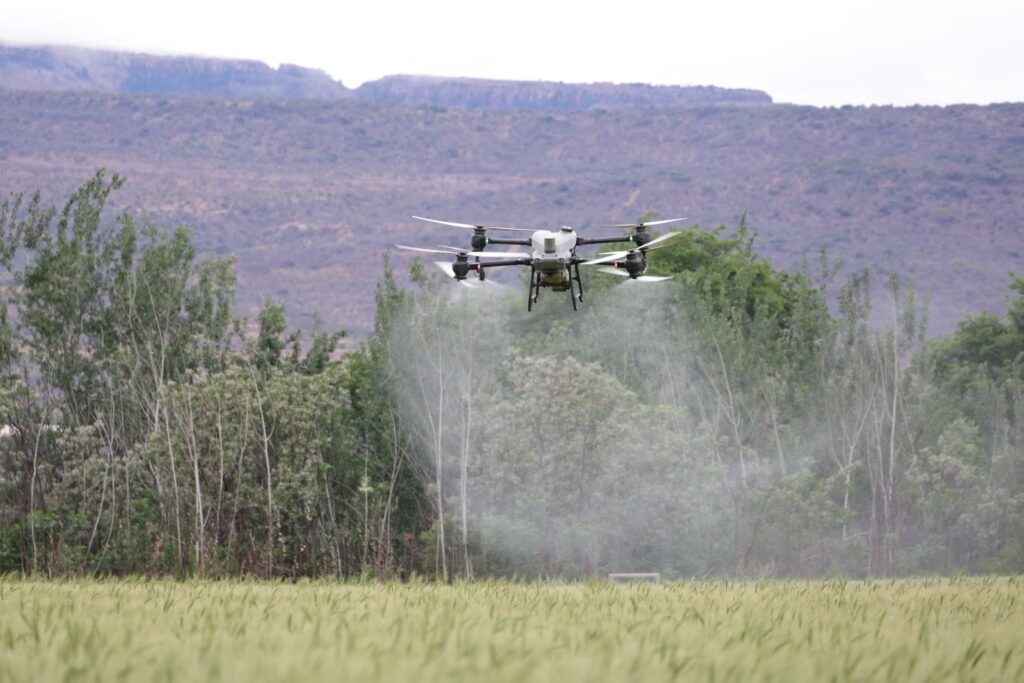
A domestic drone production capability would sit at the intersection of several existing Canadian strengths: aerospace engineering, electronics and sensors, software and machine vision, composite materials, and precision machining. Most of those inputs already exist in the country’s civilian supply chains.
The harder part is not technology but scale and continuity. Defence manufacturing generally rewards long, predictable order books; short bursts of demand rarely justify the tooling, certification, and workforce investment required.
The Canadian Companies Positioned to Benefit
The announcement did not name participating firms. What can be said, neutrally, is that Canada already has a defence manufacturing footprint capable of absorbing new work — including armoured vehicle production, avionics, simulation and training systems, and specialised electronics.
Defence-linked industrial activity has also become a live question in Ontario’s automotive corridor, where the proposed sale of the Stellantis Brampton plant to armoured vehicle maker Roshel illustrated how existing assembly capacity can be repurposed toward defence output.
Whether the Canada Ukraine drone production initiative follows a similar path — retooling existing plants — or builds purpose-designed facilities is one of the practical questions the agreement’s published terms will need to answer.
What This Signals About Carney’s Foreign and Industrial Policy
The structure of the announcement reflects a broader approach: treating security commitments and economic development as a single file rather than two. Support for Ukraine is being presented as an investment that leaves behind Canadian capability, jobs, and intellectual property.

That framing is politically useful. It answers the domestic question of what Canadians get in return for continued assistance, while allowing the government to argue that defence spending is also industrial spending.
It also has limits. Industrial benefits from defence agreements typically take years to appear, while the wartime need is immediate — a tension that will shape how the partnership is judged.
Key Terms That Have Not Been Disclosed
For readers tracking this story, several substantive details remain outstanding:
- Financial scale: No funding envelope, contract value, or cost-sharing formula was specified.
- Production targets: Unit volumes, drone categories, and timelines were not disclosed.
- Industrial participants: No Canadian or Ukrainian companies were named in the announcement.
- Manufacturing locations: Whether production occurs in Canada, Ukraine, or both was not specified.
- Technology and IP terms: Licensing, data rights, and export-control arrangements were not outlined.
Until those elements are published, the agreement is best understood as a political and strategic framework, with the commercial architecture still to be filled in.
Why Canadian Businesses Should Watch the Follow-Through
Beyond the defence sector, the initiative is a useful indicator of how the federal government intends to link procurement to domestic capability-building. Companies in electronics, advanced materials, software, and precision manufacturing may find supplier opportunities well outside traditional prime contractors.
Investors and executives should watch for the concrete markers that turn announcements into activity: published memoranda, procurement notices, facility decisions, and named industrial partners. Those, rather than the ceremony itself, will determine the economic weight of the agreement.
Frequently Asked Questions
What did Canada and Ukraine agree to on September 10, 2026?
The two countries announced cooperation to scale up drone production while strengthening Canada’s domestic defence industrial base, with a stated goal of supporting a just and lasting peace in Ukraine.
Where did the signing take place?
In Calgary, where Prime Minister Mark Carney and President Volodymyr Zelenskyy held a signing ceremony followed by a joint media availability.
How much money is attached to the agreement?
Not specified. No funding figure, contract value, or cost-sharing arrangement was included in the announcement.
Will the drones be manufactured in Canada?
Not specified. The stated intent includes building up Canadian defence industries, but manufacturing locations and facilities were not identified.
Which companies are involved?
Not mentioned. No Canadian or Ukrainian industrial participants were named at the time of the announcement.


