


Washington's diplomats in Ottawa have turned Canada's tariff rhetoric into an election-meddling accusation, and here is who was named, how Carney and Ford responded, and why the timing matters.
The U.S. embassy election interference allegations arrived in Ottawa on Wednesday, October 21, 2026, when American diplomats published a fact sheet of quotes from Canadian politicians that the embassy says point to “plans to influence American politics” before the November 3 U.S. midterm elections. Industry Minister Mélanie Joly is quoted five times, and the document also names Ontario Premier Doug Ford, Liberal MP Anthony Housefather and Bernadette Jordan, Canada’s consul general in Boston.
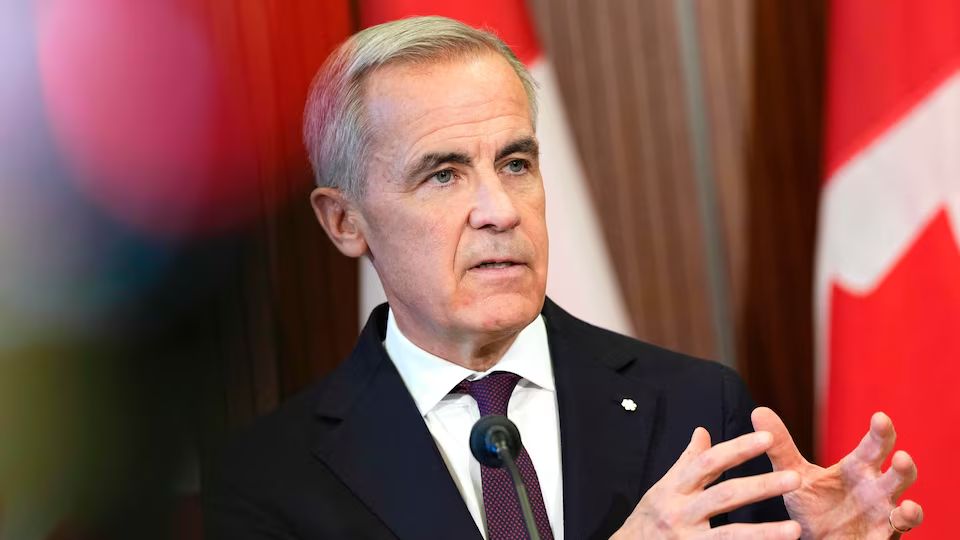
Prime Minister Mark Carney and Premier Ford both rejected the suggestion that Canada is meddling in American politics. Carney did not address the accusation head-on. Instead, he reminded reporters that Washington started the trade fight, and he made his remarks on the same day Ottawa unveiled a $9 billion support package for sectors hit by U.S. tariffs.
Inside the U.S. Embassy Election Interference Fact Sheet
The embassy’s release is less a formal diplomatic protest than a curated collection of statements. It strings together remarks Canadian officials have made while explaining Ottawa’s response to American tariffs, then presents them as evidence of an intent to sway U.S. voters.
Here is what is known about who appears in the document:
- Mélanie Joly, Industry Minister: quoted five times, more than anyone else named.
- Doug Ford, Ontario Premier: quoted in the release and publicly responded the same day.
- Anthony Housefather, Liberal MP: named in the document; the specific remarks attributed to him were not detailed in reporting.
- Bernadette Jordan, Consul General in Boston: named in the document; the content of the cited remarks was not specified.
The release closed with a short line that doubles as its thesis: “Americans decide America’s elections.”
Five Joly Quotes and the Counter-Tariff Strategy Behind Them
The Joly quotes are presented without surrounding context. They touch on applying pressure to American businesses and directing Canadian counter-tariffs at particular U.S. states. Joly made those comments while describing how Canada would answer the tariffs imposed by Washington.
That framing matters. Retaliatory tariffs aimed at politically influential regions are a familiar tool in trade disputes, designed to make the costs of a trade war felt where decision-makers will hear about them. The embassy is effectively arguing that the same tactic, deployed weeks before a national vote, crosses into electoral territory.
Joly was not made available to comment on Wednesday’s list. However, she had already pushed back the previous week, after U.S. Ambassador Pete Hoekstra raised similar concerns. She said Canada would never engage in election interference and would “never accept that also being done to us in Canada.”
Joly added that she has travelled to the United States in recent months and met with both Democrats and Republicans. “Fundamentally, what I’ve done in the U.S. is to attract investments,” she said, signalling she expects to announce investments in Canada by American companies and that the approach will remain her strategy in the U.S. and elsewhere.
Carney Answers With a $9 Billion Tariff Aid Package
Carney fielded a question about the embassy’s list during a joint news conference on Parliament Hill, with Joly standing beside him and Ford also in attendance alongside federal and provincial ministers. The event was called to announce a $9 billion aid package responding to U.S. tariffs.
Rather than engage with the specific quotes, the prime minister pointed out that it was the United States that launched trade actions against Canada. “All of our actions are in the interests of Canadian workers, Canadian families and the future of this economy,” he told reporters.
The response keeps Ottawa’s message anchored on domestic economic protection rather than on a quote-by-quote rebuttal, an approach that avoids escalating the diplomatic exchange while still rejecting its premise. For business readers, the larger news may be the size of the support package itself, a sign of how deeply the tariff dispute continues to weigh on Canadian industry. Similar pressure has shaped other recent flashpoints, including the episode in which Trump dropped his threat to ban Bombardier from the U.S. market.
Doug Ford Says He Has “No Interest at All” in the Midterms
Ford, whose government has been among the most outspoken provincial voices in the trade fight, said flatly that he has “no interest at all” in interfering in American elections. He noted that he spent 20 years in the United States and “loves the American people.”
“I’ll tell you what the American people want. They want certainty, they want stability,” Ford said. He added that his focus would stay on protecting Ontario’s and Canada’s economy, people and communities, and that Americans themselves would make their decision in the midterms.
Pete Hoekstra’s Warning to Keep Canada’s “Nose Out”
Wednesday’s fact sheet did not come out of nowhere. Earlier in October, Hoekstra said American officials were “closely watching” Canadian politicians for signs of election interference.
In an interview on The Really Big Show podcast released October 14, the ambassador said political advertising run by Ontario the previous year could be seen as interference. He also pointed to recent comments by Joly and former prime minister Justin Trudeau as potentially falling into the same category, and said Joly had talked about targeting retaliatory tariffs at “politically sensitive states.”
Hoekstra went further, warning Canadian politicians to keep their “nose out” of American politics in the run-up to the vote. He said that if any Canadian actions amount to election interference, the United States will respond. He did not specify what such a response would involve.
How Ontario’s Reagan Ad Ended Trade Talks in 2025
The Ontario advertising Hoekstra referenced has a significant history. In October 2025, Ontario aired an ad during the World Series that used clips of former U.S. president Ronald Reagan criticizing tariffs and championing free trade.
U.S. President Donald Trump responded by ending trade talks with Canada that same month. A year later, the episode is being revived as an example of what Washington now characterizes as potential interference, which helps explain why Ford is among those named in the embassy’s list.
Trudeau’s Brown University Remarks
Trudeau’s inclusion in Hoekstra’s criticism stems from a discussion at Brown University on September 22, where the former prime minister took aim at the Trump administration’s trade policy.
“There is a pattern here of doing things that are driving up prices for your consumers and not necessarily making anything better for America, by fighting with one of your oldest and best allies,” Trudeau said at the event. Trudeau no longer holds office, which makes his mention a notable signal of how broadly U.S. officials are casting their net.
The 11 Illegal-Voting Cases the Embassy Did Not Connect to Ottawa
The embassy’s release also listed 11 Canadians who have been charged with voting illegally in U.S. elections. Notably, the document did not tie those cases to the Canadian government or to any of the politicians quoted.
Placing individual criminal cases beside statements from elected officials blends two very different matters. Readers should note the distinction: the charges concern individuals, while the political quotes concern public policy remarks about tariffs. No connection between the two has been alleged by the embassy.
Why the November 3 Vote Raises the Stakes for Canada
Americans vote on November 3 in midterm elections that could end Republican control of Congress. That timing gives the embassy’s accusations particular weight, because it frames Canada’s tariff messaging as a factor in a contest with real consequences for the White House’s legislative agenda.
General context: Canada and the United States have long avoided public accusations of electoral meddling against each other, given their close security, trade and diplomatic ties. A public fact sheet naming a sitting minister, a premier, an MP and a consular official is an unusually pointed step between the two allies.
For Canadian readers, several practical questions now hang over the dispute:
- Messaging discipline: Federal and provincial officials may face pressure to soften how they describe targeted counter-tariffs during the final weeks of the U.S. campaign.
- Trade relationship: The accusations land while Ottawa is rolling out billions in tariff relief, underscoring that the trade conflict is far from resolved.
- Possible U.S. response: Hoekstra has said the U.S. will respond to any interference, but no specific measure has been announced.
For now, Ottawa’s position is that it is defending Canadian jobs against trade measures it did not start, while Washington insists that Canadian politicians stay out of an election only Americans can decide. How either side behaves in the remaining days before November 3 will determine whether the exchange fades or hardens into a deeper diplomatic rift.
Frequently Asked Questions
What did the U.S. embassy release on October 21, 2026?
It published a fact sheet of quotes from Canadian politicians that it says show plans to influence American politics before the November 3 midterm elections.
Which Canadian officials are named?
Industry Minister Mélanie Joly (quoted five times), Ontario Premier Doug Ford, Liberal MP Anthony Housefather and Bernadette Jordan, Canada’s consul general in Boston.
How did Prime Minister Carney respond?
He did not address the claims directly, saying Canada’s actions protect Canadian workers and families and noting the U.S. started the trade measures.
Did the embassy link the 11 illegal-voting cases to the Canadian government?
No. The embassy listed 11 Canadians charged with voting illegally in U.S. elections but did not connect those cases to the government.


