


A closer look at the secret-ballot defeat of Gen. Jennie Carignan, what the alliance's top military job involves, and why the timing matters for Ottawa's defence agenda.
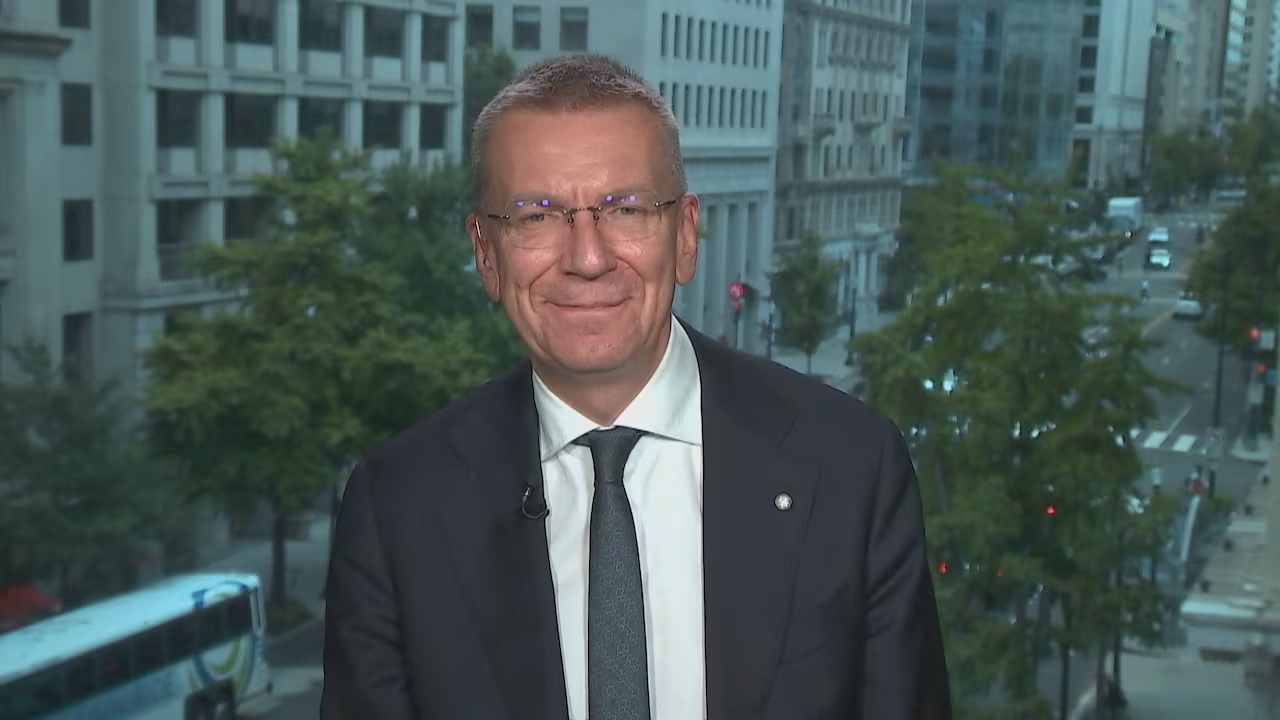
Canada has lost its bid to lead the NATO Military Committee, after chief of the defence staff Gen. Jennie Carignan fell short in a secret-ballot vote of allied defence chiefs. The result, reported on September 19, 2026, hands the alliance’s most senior military advisory role to Germany’s Gen. Carsten Breuer and ends a campaign that the federal government had actively backed.
The defeat is a setback for Ottawa at a moment when Prime Minister Mark Carney’s government is working to deepen Canada’s defence and economic ties with Europe. It also arrives in the middle of a domestic fight over how Canada buys military equipment, with the Conservatives demanding two independent reviews of a planned surveillance aircraft purchase.
The Secret-Ballot Contest Between Carignan and Breuer
The chair of the committee is chosen by the defence chiefs of NATO member states in a secret ballot, which means individual national positions are not disclosed and no public tally is released. Carignan faced a single named rival in Breuer, Germany’s top soldier, in a contest that had been scheduled for Saturday.
Because of the closed nature of the vote, the margin of the loss, the number of rounds and the way individual allies cast their ballots have not been made public. Those details were not specified in the initial reporting of the outcome.
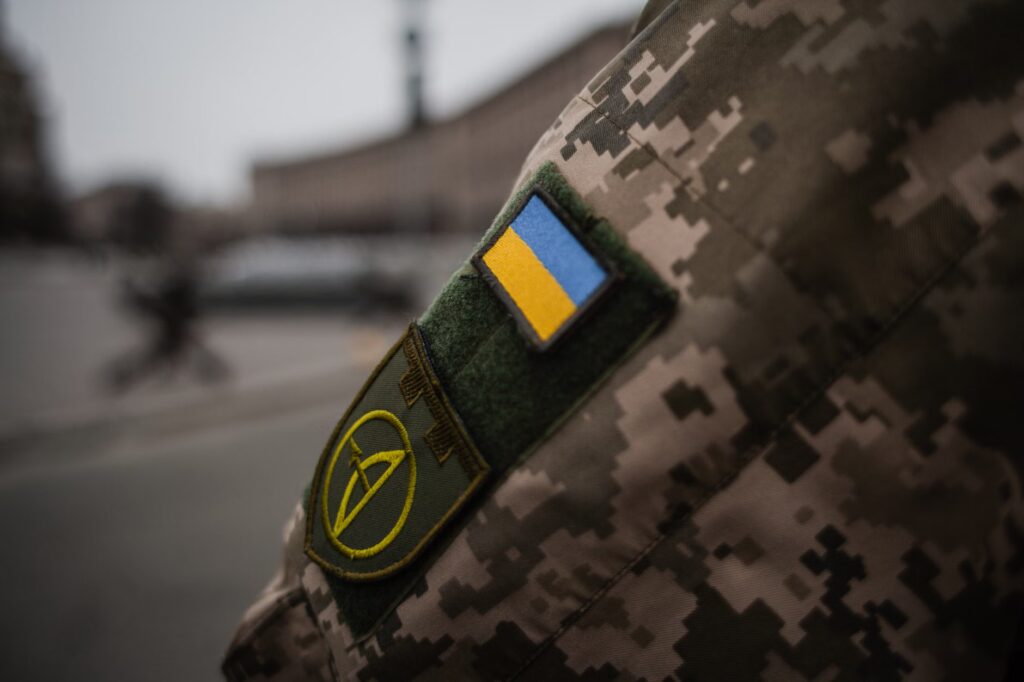
A Carignan win would have carried two symbolic firsts and returns. She would have become the first woman to chair the committee, and her election would have brought the chairmanship back to Canada after an absence of close to two decades.
What the NATO Military Committee Chair Actually Does
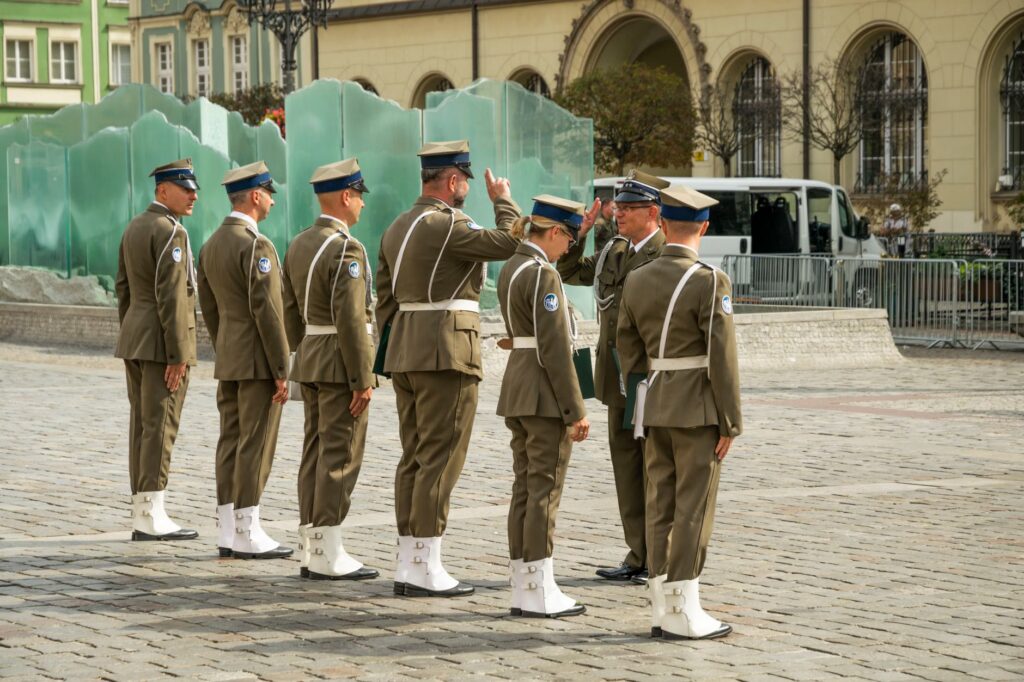
The Military Committee is NATO’s highest military authority and functions as the principal source of military advice to the alliance’s political leadership. Its chair sits between the uniformed command structure and the civilian decision-makers who ultimately authorise alliance action.
In practical terms, that makes the post one of the most visible jobs an allied officer can hold, and one of the few where a mid-sized member state can exercise influence well beyond the size of its armed forces. For Canadian readers, the significance is less about ceremony than about proximity: the chair helps frame the military options that ministers and heads of government see before they decide.
- Top military authority: The committee is described as the alliance’s senior military body, above the day-to-day command layer.
- Advisory function: It serves as a key advisory body for NATO’s political leaders.
- Selected by peers: The chair is chosen by fellow defence chiefs, not appointed by any single capital.
- Term details: The length and start date of Breuer’s term were not mentioned in the initial reports.
Ottawa’s Push and the Unanswered Question of U.S. Support
The federal government publicly put its weight behind Carignan’s candidacy, treating the race as a chance to raise Canada’s profile inside the alliance. That backing was not enough to carry the ballot.
One open question hung over the campaign in the days before the vote: whether Washington would line up behind the Canadian candidate. Canada’s defence minister said ahead of the ballot that he could not tell whether the United States would support Carignan’s bid — an unusually candid acknowledgement of uncertainty about how a key ally would vote. Because the ballot was secret, that question remains unresolved in public.
The ambiguity fits a broader pattern in the Canada–U.S. relationship this month. On September 16, the U.S. president signed a memorandum directing officials to identify and remove Canadian products from American federal procurement, and a Republican senator publicly warned Carney against tightening Canada’s links to the European Union.
The GlobalEye Procurement Fight Running in Parallel
The NATO result lands while Canadian defence procurement is under sustained political scrutiny. Federal Conservatives have asked both the auditor general and the parliamentary budget officer to investigate Ottawa’s planned purchase of the GlobalEye surveillance aircraft, questioning whether proper procurement rules were followed.
Their demand followed revelations that the Saab-built aircraft meets only some of the military’s stated requirements, and that competing manufacturers had not been shown those requirements before the government named its preferred aircraft. Both offices operate independently of government, and neither had confirmed a timeline for any review at the time of reporting.
Taken together, the two stories illustrate the same underlying tension: Canada is trying to project credibility on defence abroad while facing questions at home about the process behind its largest equipment decisions.
How the Loss Fits Carney’s Europe Pivot
The vote comes as the Carney government pursues what the prime minister has called a “unique alliance” with the European Union. European Commission president Ursula von der Leyen has said she wants Canada to become the bloc’s first associate member, a proposal Carney addressed directly in his address to the European Parliament in Strasbourg.
Our earlier coverage of the EU’s associate member offer to Canada set out what that status could involve, and the detail of the Strasbourg proposal itself remains the reference point for the debate now unfolding in Ottawa. Carney has said Parliament will debate and vote on the “final structure” of any Canada–EU arrangement.
Canada’s ambassador-designate to the EU has also ruled out Canada paying directly into the 27-nation bloc’s budget under the plan — an early attempt to define the limits of the relationship before critics do it for the government. Separately, Canada has signalled it wants to join Britain’s rapid-response defence club.
Why the Result Matters for Canada’s Defence Standing
Losing a contested alliance leadership race does not change Canada’s membership, obligations or force posture. What it does affect is influence — the informal weight a country carries when allied priorities, capability targets and spending expectations are being negotiated.
For business readers, the connection is more direct than it first appears. Alliance-level decisions shape procurement cycles, industrial participation requirements and the export prospects of Canadian aerospace and defence suppliers. A Canadian officer in the chair would not have guaranteed contracts, but it would have put a Canadian voice at the table where military requirements are framed.
The result also intersects with the government’s wider economic strategy. Ottawa has spent September courting capital and allies at once, from the investment summit commitments aimed at countering protectionism to the opening of Canada’s four largest airports to private investment.
The Fall Parliamentary Session Now in Front of the Government
Carney rallied Liberal MPs ahead of what he described as a crucial session of Parliament, with House leader Steven MacKinnon saying economic legislation will be the “centrepiece” of the fall sitting. The government’s marquee bill is expected to strengthen a contested section of the Labour Code, including giving a minister explicit authority to end strikes, according to senior government sources.
Defence issues are unlikely to stay on the margins of that sitting. With opposition MPs already pressing for two independent reviews of the GlobalEye file, and with the NATO chairmanship now going to Berlin rather than Ottawa, the government’s handling of both procurement and alliance relations is set to be tested on the floor of the House.
Canada has not announced whether it will seek another senior alliance post, and no timeline for a future bid has been mentioned.